How to Avoid Over Decorating Your Small Living Space?

Time:2026-05-31 Author:Ethan
0%

In the world of interior design, many people struggle with how to avoid over-decorating a small living space. Renowned designer Emily Henderson emphasizes, “Less is more when it comes to compact areas.” Her expertise resonates with those looking to create stylish yet functional environments.

Small spaces can quickly become cluttered and overwhelming. When filling a room with too many decorative items, you may lose its original charm. It’s crucial to balance aesthetics and functionality. Instead of loading every surface, consider selecting a few key pieces that reflect your personality. This creates an inviting atmosphere without the chaos of excessive decor.

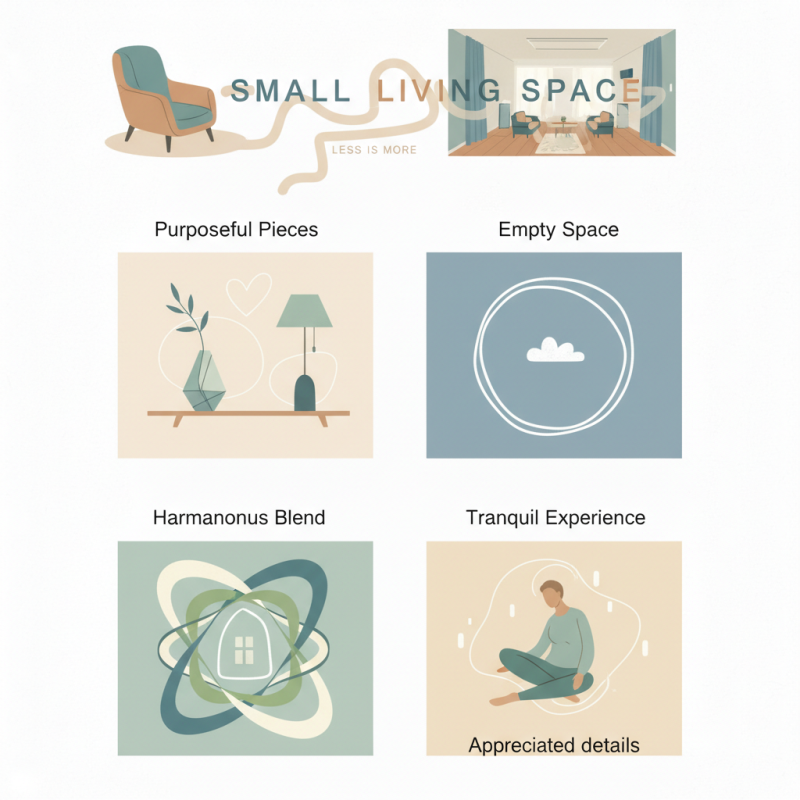
Every item should serve a purpose or hold significant meaning. Remember to leave some empty space for breathing room. Strive for a harmonious blend of style and simplicity. A thoughtful approach helps you appreciate the smaller details that truly enhance your space. Embracing restraint can lead to a more tranquil living experience.
How to Avoid Over Decorating Your Small Living Space?

Identifying Your Space: Understanding the Limits of Your Small Living Area

When living in a small space, understanding its limits is essential. You may love decorating, but overdoing it can lead to a cramped environment. Focus on the functional aspects of your area. Consider how you move and use your space daily. Measure your furniture to ensure it fits well. A variety of pieces in a small room can make it feel chaotic.

To avoid clutter, choose a few key decorative elements. Artwork and plants can add character without overwhelming the room. Use wall space for decor to keep floors open. Think about using multi-functional furniture, like a coffee table that doubles as storage. This tactic helps you maintain an organized look.

Maintaining a balance is crucial. Empty space can be beautiful too. Reflect on what each piece brings to your living area. If it doesn’t serve a purpose, consider removing it. Trust your instincts when decorating. Every choice counts in a small living space. Embrace simplicity and functionality to create a cozy yet stylish environment.

Choosing a Minimalist Approach: Emphasizing Functionality Over Excess

When designing a small living space, a minimalist approach can significantly enhance its functionality. By focusing on essential elements, you declutter visually and create a more inviting atmosphere. Minimalism emphasizes quality over quantity, allowing each piece in your space to shine.

Here are some tips to achieve a minimalist design: Choose multi-functional furniture that serves more than one purpose. For instance, a coffee table with storage or a couch that converts into a bed can be remarkably useful. Avoid overcrowded surfaces; instead, leave some areas clear to breathe. This intentional empty space can make a room feel larger and more balanced.

Consider colors and textures to add depth without visual clutter. Stick to a few complementary shades for walls and decor. Use textiles with varied textures to create interest, such as wool throws or cotton cushions. Yet, remember that a completely bare space may feel uninviting. Reflect on your comfort needs and personal style. It’s okay to have a few cherished items. They can add warmth to your minimalist design while still keeping the overall look clean and functional.

How to Avoid Over Decorating Your Small Living Space? - Choosing a Minimalist Approach: Emphasizing Functionality Over Excess

Design Element Description Functionality Recommended Quantity
Furniture Essential pieces like sofa, table, and chairs that fulfill basic needs. Must be functional and comfortable while taking up minimal space. 2-3 key pieces
Lighting Natural and artificial lighting elements to enhance space. Provides functionality and creates a cozy atmosphere. 1-2 sources (e.g., lamp, overhead light)
Decor Minimalist art pieces or plants that add character without clutter. Enhances aesthetics while maintaining simplicity. 2-4 items
Storage Solutions Multi-functional furniture or organizers that maximize space. Keeps area tidy and organized. As needed, focus on hidden solutions
Color Scheme Light and neutral tones to make the space feel larger. Affects perception of space and comfort. 3-4 colors

Selecting a Color Palette: Creating Harmony Without Overstimulation

Selecting a color palette is crucial in small living spaces. The right colors can create harmony and open up a room. Soft, neutral tones often breathe life into tight areas. A palette with light blues or soft grays can make walls seem more expansive. Deep colors can add drama but may also make a small room feel more confined.

When choosing your palette, consider a few pointers. Start with a dominant color for walls. Then, add contrasting but complementary accents through furniture or decor. This technique prevents overwhelming the senses. A single bold piece can also serve as a focal point, drawing the eye and unifying the space.

Reflect on how colors interact in different lighting. Natural light can shift hues significantly. Test paint samples on walls and observe them at various times of day. Don't fear adjustments; your selections can evolve. Spaces often require reassessment, particularly if they feel crowded or chaotic. Balancing color with open space is key to a harmonious small living area.

Incorporating Multi-Functional Furniture: Saving Space and Enhancing Design

Incorporating multi-functional furniture can significantly enhance the utility and aesthetics of small living spaces. According to a survey by the American Institute of Architects, 63% of homeowners prefer saving space without compromising style. Pieces like sofa beds and extendable dining tables are excellent choices. They allow for flexibility while maintaining a chic look.

One tip is to choose pieces that serve more than one purpose. A coffee table with storage underneath can keep clutter at bay. Additionally, using ottomans that double as seating or storage can maximize functionality. When selecting these items, consider the material and color; lighter hues can create an open feel, while darker tones may make a space seem smaller.

Another consideration is layout. Placement is crucial in small areas. If furniture blocks pathways, it may create an overwhelming feeling. Open spaces promote flow, making the area feel less cluttered. However, balancing style and practicality can be difficult. Sometimes, less is more. Reflecting on the items you truly need can lead to a more serene environment.

Utilizing Vertical Space: Maximizing Storage While Keeping It Simple

When decorating a small living space, utilizing vertical space can transform your area dramatically. Studies show that 30% of people struggle with storage in small homes. By focusing on wall-mounted shelves and tall storage units, you can free up valuable floor space. This approach keeps the room feeling open and airy. Vertical storage solutions also enhance visibility and accessibility for your items.

Incorporating hooks and pegboards can further optimize vertical areas. Research by design experts indicates that visual clutter can increase stress levels by up to 40%. Thus, minimizing decorative elements is essential. Choose a few key pieces that add meaning to your space instead of cluttering surfaces. You might find that less is more, allowing you to create a balanced atmosphere.

Remember, even with vertical solutions, it's easy to overload your walls. Aim for simplicity and reflection. Take a step back and evaluate how your decorative choices affect the overall feel of the room. Sometimes, negative space can be as impactful as the items you display. At the end of the day, creating a harmonious environment requires consistent reassessment and intentional choices.

FAQS

: How can I identify the limits of my small living area?

: Focus on functionality and how you use your space daily. Measure your furniture to ensure a good fit.

What should I consider when decorating a small room?

Select a few key decorative elements. Use artwork and plants to add character without cluttering the space.

How can I maintain balance in a small living area?

Empty space can be beautiful. Remove items that don't serve a purpose to create a more serene environment.

What is the importance of selecting a color palette for small spaces?

The right colors can create harmony. Soft, neutral tones make rooms feel more expansive and inviting.

How do I choose accent colors for my small space?

Start with a dominant wall color. Add complementary accents with furniture to avoid overwhelming the senses.

Why should I incorporate multi-functional furniture?

Multi-functional pieces save space while enhancing style. Sofa beds and extendable tables are good examples.

What tips should I follow when selecting furniture for a small area?

Choose pieces that serve more than one purpose. Lighter materials can open up a space, while darker ones can feel confining.

How important is layout in small living spaces?

Layout affects flow. Ensure pathways are clear to avoid creating a cramped feeling in your space.

Can I make adjustments to my color choices after painting?

Yes, don’t fear adjustments. Your palette can evolve to better suit your space and needs.

How can I create a cozy atmosphere in a small living area?

Embrace simplicity and focus on functionality. Every decor choice counts in creating a stylish environment.

Conclusion

When considering "How to avoid over-decorating a small living space," it's essential to understand the limitations of your area. Start by assessing the dimensions and layout of the room to identify the available space for furnishings and decor. Adopting a minimalist approach can help emphasize functionality rather than excess, ensuring each piece serves a purpose.

Choosing a cohesive color palette is also crucial, as it creates harmony in the space without overwhelming the senses. Incorporating multi-functional furniture can save space while enhancing the aesthetic, allowing you to maximize utility without clutter. Additionally, utilizing vertical space can help increase storage options while maintaining a clean and simple design. By following these tips, you can successfully create a stylish yet restrained living area that feels both open and inviting.

Ethan

Ethan

Ethan is a seasoned marketing professional with a deep expertise in our company's innovative product line. With a passion for sharing knowledge and insights, he takes the lead in regularly updating our corporate blog, where he explores industry trends, product features, and effective marketing......