A home product succeeds when it earns its place, not merely when it looks attractive. A slim bench beside the entry can provide a seat, conceal shoes, and soften an empty wall. Yet even a useful object can feel out of place if its scale, finish, or color clashes with the room. The challenge is practical and personal. It changes with the household, the available space, and daily routines.
Industry research offers useful context. The 2024 U.S. Houzz & Home Study reported a median renovation spend of $24,000 among surveyed homeowners in 2023. That investment makes thoughtful product choices matter: replacing a poorly suited lamp or storage unit can create expense without solving the real problem. The National Kitchen & Bath Association’s 2024 Kitchen Trends Report also examines priorities shaping room design, including usability and storage. These reports describe broad patterns, not rules for every home. A compact apartment and a busy family kitchen need different answers.
This guide explores How to balance functionality and decoration in home items through practical criteria: purpose, proportions, materials, maintenance, and visual fit. Think of a sturdy side table with a wipe-clean surface, or a woven basket that hides cables while adding texture. Small details count. They are not always enough. A beautiful object may still collect dust, block a walkway, or fail its daily task. Good choices require testing both appearance and use, then reconsidering what does not work.
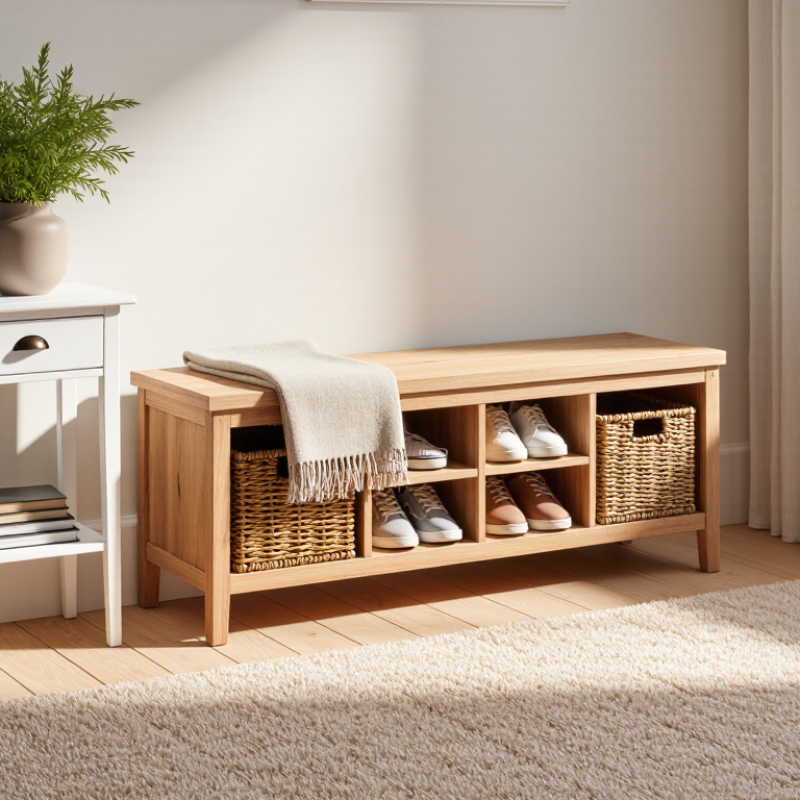
Before choosing a home product, notice what each room asks you to do. In an entryway, a narrow bench offers a place to sit, while a tray catches keys and wet mittens. Measure walking paths before adding storage; a beautiful cabinet can frustrate you if its doors block the route. For a living room, consider how people actually gather: reading, conversation, or feet-up evenings. Soft upholstery feels inviting, but tightly woven, removable covers are easier to maintain in a busy home. Small details matter.
A kitchen benefits from task lighting, wipeable surfaces, and tools placed near the work they support. Yet a room can feel cold when every choice is purely practical. Warm wood, textured cloth, or one repeated color can soften hard edges. In a bedroom, prioritize comfortable light control and reachable bedside storage; ornate pieces may consume useful space. Bathrooms need moisture-tolerant materials and clear counters, though matching every accessory can feel overly strict. Keep it simple. A room’s needs shift with seasons, guests, and changing routines, so leave some flexibility in the layout. Sometimes the first arrangement is wrong.
Typical residential ambient-light planning ranges by room. The chart plots each range’s midpoint; choose fixtures that meet the lighting need while complementing the room’s style. Task lighting may require higher levels.
Before choosing a home product, measure the space where it will actually be used. Include doorways, drawer clearance, and the path people walk through each day. A narrow entryway may suit a slim shoe cabinet, but its doors should not block the hall when open. Leave room to move around it. Small details matter. Check measurements against the product’s full dimensions, not just its footprint. A beautiful table can still frustrate you if chairs cannot slide out easily.
Think about who will use the item and what they do with it. A low shelf may work well for children, while someone with limited mobility may need handles that are easy to grip. Everyday tasks reveal the useful details. Watch how you make coffee, fold laundry, or charge a phone, then notice where clutter gathers. A lamp should light the page without shining into someone’s eyes. I sometimes focus too much on how an object looks in a photograph; at home, its finish can feel darker or more imposing. Compare samples in your room’s daylight, and consider whether cleaning the surface will fit your routine. Choose a style you enjoy, but test its practical fit against real habits.
| Room or Zone | Home Product | Typical Dimensions | Users and Everyday Tasks | Functional Priorities | Style and Space Balance |
|---|---|---|---|---|---|
| Living room | Sofa | About 72–90 in wide × 35–40 in deep | Seats about two to three adults for conversation, reading, or relaxing. | Choose seat depth and cushion firmness to suit the main users; check that doors and walkways remain clear. | Use a shape and upholstery color that work with the room palette. In a smaller room, a raised base can make the sofa feel visually lighter. |
| Living room | Coffee table | Often 36–48 in long × 18–24 in wide; varies by room and sofa | Holds drinks, books, and everyday items within reach of seated users. | Keep the top easy to reach and leave enough room to move around it; rounded edges can help in busy circulation areas. | Match the table’s visual weight to the sofa. A glass or open-base design can help preserve a sense of openness. |
| Dining area | Dining table | For four: round tables are commonly about 36–48 in in diameter; rectangular tables are often about 48–60 in long × 30–36 in wide | Supports meals, homework, crafts, and shared activities. | Allow space to pull out chairs and move behind seated users; consider an extendable table if hosting needs vary. | Choose a finish that suits the room and is practical for regular cleaning. A compact round table can ease movement in a tight area. |
| Bedroom | Bed | Standard mattress sizes: Full 54 × 75 in; Queen 60 × 80 in | Provides a sleeping surface for one or two people, depending on size and use. | Measure the room, doorways, and access around the bed before choosing a frame; plan for bedside access that suits the users. | A simple frame and coordinated bedding can keep the room calm. In a smaller bedroom, avoid bulky frames that add little useful storage. |
| Work or study area | Desk | Commonly about 42–60 in wide × 20–30 in deep | Supports writing, computer use, study, and occasional household paperwork. | Check that the work surface fits the equipment and that the chair can be pulled back comfortably; provide task lighting. | Choose a desk profile that fits the room’s visual scale. Wall-mounted shelves can add storage without occupying more floor area. |
| Entryway or bedroom | Storage cabinet | Often about 30–72 in wide × 12–18 in deep; height varies | Stores shoes, linens, household supplies, or other frequently used items. | Match storage type to the contents, and check door or drawer swing space and access to frequently used items. | Closed fronts reduce visual clutter; a finish that relates to nearby furniture helps the cabinet feel integrated. |
| Living room or reading corner | Floor lamp | Usually about 55–70 in tall; base size varies by design | Provides localized light for reading or additional ambient light. | Place it near the activity it serves, keep cords out of walkways, and choose a stable base for the household. | A slim silhouette suits a compact corner, while a shade or finish that echoes other room details can make the lamp feel intentional. |
Planning note: Dimensions are typical planning ranges, not fixed product specifications. Measure the room, access routes, and intended placement before purchasing; suitable clearances vary with the layout and the people using the space.
When comparing home products, look past the showroom finish. Solid wood feels warm and can be repaired, but it may swell near a sink or sunny window. Metal frames often handle daily knocks well; check the joints and coating for chips that could expose the surface. Glass wipes clean quickly, yet fingerprints show at once. Lightweight plastic is easy to move, though repeated scrubbing can leave fine scratches. No material wins in every room.
Durability also depends on how a product is used. A kitchen chair needs firm joints and a wipeable seat; a bedside table may benefit more from a smooth drawer that opens quietly. Test the weight, grip, and moving parts if you can. Can you lift the storage basket with one hand? Does the handle feel secure when your fingers are damp? Small details matter. I still catch myself choosing a smooth finish over an easy-to-clean one, then regretting it after the first spill. Check care instructions before buying, and consider whether you will actually follow them. A delicate surface may look lovely, but daily upkeep can become tiresome.
Color should help a room work, not merely photograph well. Houzz’s 2024 U.S. Houzz & Home Study found that 54% of surveyed homeowners renovated in 2023, with a median spend of $24,000. Those figures make lasting choices worth considering. In a small kitchen, pale cabinet fronts can reflect light, while a darker worktop hides everyday marks. Check samples beside your flooring and in morning light. Colors shift. So do finishes.
Shape matters just as much. A rounded table can soften a narrow walkway, but bulky curved legs may steal useful floor space. The American Institute of Architects’ Home Design Trends Survey tracks what homeowners and architects prioritize across rooms and features; use that broader lens alongside personal taste. For a busy entry, choose a narrow console with a wipeable surface, not just a sculptural one. Small things matter. Matte finishes can reduce glare, though they may show fingerprints in certain colors. I still get tempted by beautiful samples before checking how they clean. That is an imperfect habit. Test a finish with a damp cloth, and live with the sample for a few days before deciding.
Evaluating a home product starts with the job it must do. Measure the space before comparing finishes. A tray that looks elegant online may cover the only clear spot beside the kettle. Check dimensions, weight, cleaning instructions, and how often the item will be used. For a lamp, consider whether its light reaches the page or leaves a bright glare on the table. These details matter more than a polished product photo. Start with the daily routine.
Style is easier to judge when it relates to what is already in the room. Note two or three recurring colors, materials, or shapes, then see whether a new item fits without matching everything exactly. A pale wooden stool may soften a kitchen with dark counters, while another glossy surface could make it feel crowded. I still get this wrong sometimes: a beautiful storage basket can be awkward to carry when full. Check handles, seams, and the underside, not just the front. Small details count. If possible, compare the item with nearby objects in daylight and warm evening light; colors can shift more than expected.
Measure walking paths before adding storage. A narrow bench and a tray can hold shoes, keys, or wet mittens. Keep doors clear.
Consider how people use the room, such as reading or gathering. Removable, tightly woven covers are easier to clean in busy homes.
No material suits every room. Wood can swell near sinks, glass shows fingerprints, and plastic may scratch with repeated scrubbing. Check the care instructions.
Test its weight, grip, and moving parts. Try lifting a basket with one hand or opening a drawer quietly. Small details matter.
Check samples beside your flooring and in morning light. Pale cabinets may brighten a small kitchen, while darker worktops can hide everyday marks. Colors shift.
Not necessarily. Matte finishes can reduce glare, but some colors show fingerprints. Test a sample with a damp cloth and live with it for a few days.
Choose a rounded table to soften a narrow walkway, but check whether its legs take up too much floor space. I still get distracted by beautiful samples before testing how they clean. That habit deserves a rethink.
No. Matching can feel overly strict, especially in a bathroom. Moisture-tolerant materials and clear counters may matter more. Keep it simple.
Balancing function and style in home products begins with understanding what each room needs to do and how people use it every day. Consider the available space, the number and needs of its users, and the tasks each item must support. A practical choice should be comfortable and easy to use, while fitting naturally into the room rather than creating clutter. Comparing materials, durability, maintenance, and ease of use can help ensure that products remain useful over time.
How to balance functionality and decoration in home items is also a matter of choosing colors, shapes, and finishes that complement the home’s existing character. Instead of judging each product in isolation, consider how it will work with nearby furniture and the overall look of the space. By weighing everyday usefulness against visual appeal, you can create rooms that feel cohesive, welcoming, and suited to real life.

Dehua Decor