Lighting plays a crucial role in home decor. It can transform a space's ambiance and functionality. According to the American Lighting Association, over 80% of homeowners view lighting as vital for achieving their desired aesthetic. When exploring how to use lighting to enhance home decor effects, creative approaches make a substantial difference.
Different light sources evoke various emotions and responsiveness. For instance, warm light can create a cozy atmosphere, while bright white light enhances focus in workspaces. Reports from the National Association of Home Builders indicate that well-lit homes can increase resale value by up to 15%. This emphasizes strategic lighting choices.
However, it is essential to acknowledge common pitfalls. Many homeowners often overlook the importance of layering lights or the impact of color temperature. A well-planned lighting strategy should address these aspects. Small changes can yield profound effects. Exploring innovative lighting solutions invites continual reflection on improving spaces.
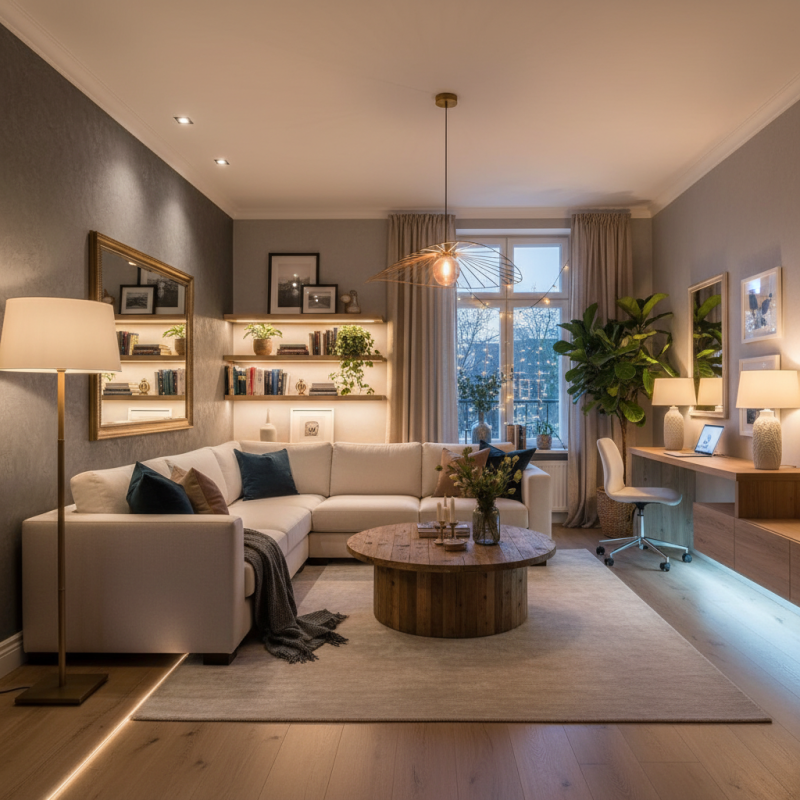
Understanding the Role of Lighting in Home Decor
Lighting plays a crucial role in enhancing home decor. According to the American Lighting Association, proper lighting can increase a room's aesthetics by up to 50%. This makes it vital to understand how to effectively utilize light sources to create different atmospheres.
Ambient lighting provides the general glow of a room, while task lighting focuses on areas for specific activities. Accent lighting highlights artwork or architectural features, adding depth to your decor.
The interplay of light and dark shapes the moods within your home. For instance, soft, warm lighting creates a cozy feel, while harsh, bright lights may evoke a more energetic atmosphere. A report by the International Association of Lighting Designers suggests that homeowners often overlook these emotional impacts. Many underestimate how a simple adjustment in lighting can change a space's functionality.
Despite the acknowledged importance of lighting, many still struggle with its application. A survey revealed that over 60% of respondents do not consider the type of light bulbs they choose. This oversight can lead to mismatched decor styles or less efficient energy use. Homeowners should reevaluate their lighting choices, considering aspects like color temperature and fixture styles to reflect their unique tastes.
Types of Lighting: Ambient, Task, and Accent
Lighting plays a crucial role in home decor. Understanding the three main types of lighting—ambient, task, and accent—can significantly enhance the aesthetic and functionality of your space.
Ambient lighting is the foundation. It provides overall illumination. According to the American Lighting Association, good ambient light should allow you to navigate a room comfortably. Use ceiling fixtures or recessed lights for this purpose.
Task lighting serves a specific functional role. It targets areas where activities like reading or cooking occur. A study by the Illuminating Engineering Society supports that well-placed task lighting can reduce eye strain by up to 30%. Consider using desk lamps or under-cabinet lights. These choices provide brightness exactly where you need it without overwhelming the space.
Accent lighting adds drama and highlights features like artwork or architectural details. It's about creating focal points. The National Association of Home Builders found that homes with effective accent lighting tend to have a more inviting ambiance, leading to higher overall satisfaction among residents. Wall sconces or track lighting can serve this purpose well. However, it's essential to avoid overusing accent lights. Too much can create a cluttered or gaudy appearance, diminishing their intended effect. Finding the right balance is key.
Choosing the Right Fixtures for Different Spaces
Choosing the right lighting fixtures can truly elevate your home's decor. According to a report by the American Society of Interior Designers, over 90% of homeowners recognize the importance of lighting in enhancing a space. Each room requires a tailored approach to ensure optimal effects.
For living areas, consider a mix of ambient and task lighting.
A large pendant can serve as a stunning centerpiece while smaller lamps offer practical illumination. Remember, dimming capabilities can transform the mood from vibrant to cozy.
In bedrooms, softer, warm lights promote relaxation. Wall sconces can create intimate nooks, perfect for reading. Accent lighting also highlights artwork or architectural features.
Tips: Use layered lighting. Start with overhead lights, then add accent and task fixtures. Additionally, pay attention to the color temperature; cooler shades can energize, while warmer tones calm.
Choosing fixtures should also reflect personal style while supporting functionality. A well-lit space can improve mood and productivity. Some fixtures might not fit well in specific locations, leading to harsh shadows or glare. Adjusting your selections can achieve a balanced ambiance.
Utilizing Color Temperature to Set the Mood
Lighting plays a crucial role in setting the mood within your home. The color temperature of your light sources significantly influences how a space feels. Warmer tones, typically around 2700K to 3000K, create a cozy and inviting atmosphere. They are perfect for living rooms or bedrooms, where relaxation is key. On the other hand, cooler tones, like 5000K and above, can energize a space. These hues are ideal for kitchens or offices, where focus and productivity are essential.
Consider the placement of your light fixtures as well. Layering different sources can create depth and interest. A warm table lamp paired with cooler overhead lighting can balance the room. It's important to experiment with different combinations. Sometimes, the results may not be perfect, leading to reflections on your choices. A space that feels too harsh or too dim can challenge your decor vision. You can solve this by adjusting the color temperature or switching up light sources.
Don't overlook the power of accents. Colored bulbs can shift the mood instantly. A touch of blue can add tranquility, while amber can create warmth. Such little changes might require some tinkering. Your home’s ambiance is an ongoing project, not a one-time event. Keep exploring until you find the right blend that resonates with you.
10 Best Ways to Use Lighting to Enhance Home Decor Effects
Incorporating Smart Lighting Solutions for Versatility
Smart lighting solutions offer a transformative approach to home decor. They provide flexibility and atmosphere. With the right setup, you can easily change the mood of any room.
Adjustable brightness levels and color temperatures can enhance the aesthetics. Imagine a cozy evening with warm, dim lighting that invites relaxation.
Consider using smart bulbs that can be controlled through your smartphone or voice commands. You can set schedules and routines to match your lifestyle. However, not all lighting options blend seamlessly with decor.
Experimenting is essential. Some colors may clash with wall paint or furniture finishes. It’s about finding the right balance.
Incorporating accent lighting can elevate your design. Highlight artwork or architectural features with focused beams. But be mindful of over-illumination.
Too much light can wash out details. Lighting placement is vital; a poorly positioned fixture can create unflattering shadows.
Embrace the trial-and-error process to discover what truly complements your space.
FAQS
: Ambient lighting is the overall illumination in a room, allowing comfortable navigation.
Task lighting reduces eye strain by targeting specific areas for activities like reading or cooking.
Accent lighting highlights features like artwork, adding drama and focal points to your space.
Warm tones create a cozy atmosphere, while cooler tones energize spaces like kitchens and offices.
Yes, layering lights can add depth, but be cautious not to create harsh or dim spaces.
Smart lighting provides flexibility and allows you to change the mood easily with adjustable brightness and colors.
Avoid overusing accent lights, as too many can make a space feel cluttered and reduce their impact.
Experiment with different fixtures and placements. Reflection on results can guide better decisions.
Poorly positioned fixtures can create unflattering shadows and diminish the overall aesthetic of your space.
Colored bulbs can shift the mood; a blue bulb adds tranquility, while amber creates warmth. Experiment with them.
Conclusion
Lighting plays a crucial role in enhancing home decor effects, and understanding its various types is essential for creating the desired atmosphere. This article explores how to use lighting to enhance home decor effects by delving into three primary types of lighting: ambient, task, and accent. Each type serves a unique purpose, from providing general illumination to highlighting specific features in your space.
Choosing the right fixtures is equally important, as different spaces require different approaches to lighting. Additionally, utilizing color temperature can significantly influence the mood of a room, helping to create either a warm and cozy environment or a bright and energizing space. Finally, incorporating smart lighting solutions offers flexibility and control, allowing homeowners to adapt lighting to their needs and preferences. By mastering these elements, individuals can significantly elevate their home decor.

 Dehua Decor