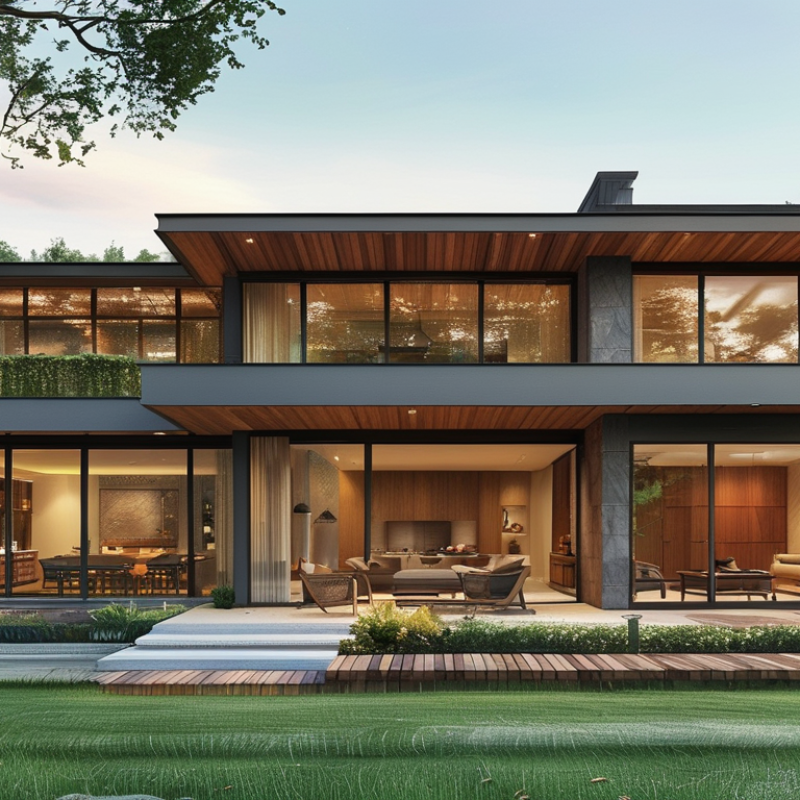
Creating a beautiful home involves more than just aesthetics. It’s essential to think about durability. How to select durable materials for long-term home decor is a key consideration. Choosing the right materials ensures that your investment lasts and retains its appeal.
Consider the environment where these materials will be used. High-traffic areas need tougher options. Fabrics can fade and wear out quickly in sunlight. Think about colors that hide stains and textures that resist tearing. Many homeowners overlook how everyday usage impacts materials. Don't just focus on trends; think long-term.
It's easy to get lost in endless choices. Asking for expert advice can clarify your options. Explore different textures, finishes, and maintenance needs. Identify what will work for your lifestyle. Reflection is vital—choose materials that not only suit today's needs but also tomorrow's challenges. Each choice shapes your home’s longevity and charm.
When selecting durable materials for home decor, consider their resistance to wear and tear. High-tensile fabrics tend to outlast common choices. For instance, leather remains a robust option. It resists stains and enhances over time, but it can be costly. Also, natural fibers like wool provide durability and comfort but may require specialized care.
Another key quality is maintenance ease. Materials that are resistant to moisture and stains help prolong the lifespan of decor. Think about tiles or treated woods for flooring. They stand up to high traffic. However, a treatable finish may wear off and require reapplication.
Sustainability also plays a role in durability. Recycled materials can offer strength while reducing environmental impact. Yet, it’s essential to research their sourcing to ensure they are reliably durable. Consider discussing with experts. Their insights can help make the right choices for your decor.
Choosing the right materials for home decor is essential for longevity. Different materials serve various purposes, which makes understanding their qualities crucial. For flooring, hardwood is known for its durability. It's resistant to wear and tear but can be susceptible to moisture. Bamboo is a sustainable choice that offers a similar aesthetic with added resilience against humidity.
For upholstery, consider fabrics like leather or microfiber. They withstand daily use and are easy to clean. However, some fabrics fade in sunlight, requiring careful placement. Natural fibers like cotton and linen are breathable and comfortable but may not last as long in high-traffic areas. Reflect on the balance between comfort and durability.
Wall decor options like metal and ceramic tiles offer strength and design versatility. They can resist scratches and stains effectively. However, improper installation may lead to issues over time. Always consult with professionals to ensure your choices withstand the test of time, and remember that even the toughest materials may have hidden drawbacks.
| Material Type | Durability Rating | Common Uses | Maintenance Level | Eco-Friendliness |
|---|---|---|---|---|
| Hardwood | High | Furniture, Flooring | Low | Moderate |
| Polyester | Medium | Upholstery, Curtains | Low | Low |
| Ceramic | High | Floor Tiles, Decor Items | Medium | Moderate |
| Metal | Very High | Furniture, Fixtures | Medium | Low |
| Glass | High | Decor, Windows | Medium | Moderate |
When choosing durable materials for home decor, environmental factors play a crucial role. Climate, humidity, and exposure to sunlight can significantly impact the lifespan of materials. For instance, wood can warp in high humidity, while fabrics may fade under direct sunlight. A study by the American Society of Interior Designers found that materials exposed to extreme conditions can deteriorate up to 40% faster than those in stable environments.
Temperature fluctuations can also affect durability. In regions with harsh winters, materials need to withstand freezing temperatures. According to the U.S. Department of Energy, materials like concrete and brick can last longer in colder climates, as they have high thermal mass. However, these materials may crack if not properly insulated. Choosing the right insulation and moisture barrier can enhance longevity in such environments.
Additionally, selecting materials based on their environmental impact can be beneficial. Sustainable materials may offer better resistance to wear and tear due to their composition. The Green Building Council notes that using recycled materials can reduce energy consumption, thus prolonging overall material life. Ignoring these environmental factors can lead to increased costs in maintenance and replacement.
When it comes to maintaining durable materials in home decor, regular care is essential. Start by identifying the specific needs of your materials. For instance, wood surfaces often require occasional polishing to maintain their luster. Use a soft cloth and appropriate cleaner designed for wood. This not only enhances the appearance but also protects it from wear and tear.
Don’t forget about fabrics. If you have upholstery made from durable fabrics, vacuum them routinely to prevent dust accumulation. Stains can happen even on the toughest materials, so act quickly when spills occur. Blot with a clean cloth and use mild soap if necessary. Remember, long-lasting decor demands attention. Minor flaws and damages can become major eyesores if neglected. Reflect on your maintenance routines. Could they be improved? Keeping materials in top shape fosters longevity and beauty.
When selecting materials for home decor, durability often clashes with aesthetic appeal. Homeowners frequently desire materials that last while still looking beautiful. According to recent industry reports, sustainable materials tend to have a lifespan of 30% longer than average. This statistic highlights the importance of choosing materials that not only look good but also endure wear and tear.
For instance, natural stone, such as granite or quartzite, provides both elegance and longevity. These materials resist scratches and heat, making them ideal for high-traffic areas. On the other hand, some synthetic materials may mimic natural beauty but can wear out quickly. Research indicates that up to 25% of homeowners regret using lower-quality materials due to premature damage.
Careful selection of finishes is crucial. Semi-gloss paint or satin finishes are both attractive and easier to maintain. They resist stains and are simple to clean. Homeowners often overlook maintenance requirements that come with various materials. Neglecting these can lead to shorter lifespans, reducing both aesthetic and functional appeal over time. Finding that balance is key—not just for the present, but for the future as well.
: Hardwood is durable but can warp in moisture. Bamboo is a sustainable option that resists humidity well.
Leather and microfiber are strong choices. They are easy to clean but may fade in sunlight.
Climate and humidity can impact durability. Materials can deteriorate 40% faster in extreme conditions.
Wood can warp and lose its structural integrity if exposed to excessive moisture over time.
Yes, sustainable materials often last 30% longer. They may offer better resilience to wear and tear.
Metal and ceramic tiles are strong and versatile. However, improper installation can cause future issues.
Neglecting maintenance leads to shorter lifespans. Many homeowners regret choosing low-quality materials.
Severe temperature changes can crack uninsulated materials like concrete or brick in colder climates.
Finishes like semi-gloss paint resist stains and are easier to maintain but require attention to detail.
Ignoring maintenance needs can negatively affect durability and aesthetics over time, leading to costly replacements.
When considering how to select durable materials for long-term home decor, it’s essential to understand the key qualities that contribute to the longevity of these materials. This encompasses assessing different types of materials suitable for various home decor purposes, such as upholstery, flooring, and cabinetry. Additionally, evaluating environmental factors, including temperature, humidity, and exposure to sunlight, plays a critical role in determining the lifespan of your decor elements.
To ensure that your choices remain aesthetically pleasing while being durable, it’s important to strike a balance between design and material quality. Regular maintenance and care are also vital; these measures can significantly extend the life of durable materials, preserving their beauty and functionality over time. By following these guidelines, homeowners can create stylish and resilient spaces that stand the test of time.
Dehua Decor