How to Choose Popular Materials for Modern Home Decor?

Time:2026-10-12 Author:Aria
0%

Choosing materials for modern home decor requires more than following a showroom trend. The real question is: What materials are most popular in modern home decor, and why do they remain appealing? Natural wood, stone, glass, metal, linen, wool, and recycled composites lead many current interiors. Each material creates a different sensory experience. Oak adds warmth beneath bare feet. Honed stone feels cool and quietly substantial. Brushed metal reflects light without appearing overly polished.

David Hicks, the influential English interior designer, once said, “The best rooms have something to say about the people who live in them.” His observation still matters. Materials should support daily life, not merely photograph well. A family kitchen may need sealed quartz, durable porcelain, or responsibly sourced hardwood. A calm bedroom may benefit from linen curtains, wool upholstery, and soft timber surfaces. Texture matters as much as color.

Practical details deserve attention. Check a material’s maintenance needs, origin, repairability, and expected lifespan. Reclaimed wood may contain character, but its condition requires careful inspection. Natural stone varies in porosity, so careless selection can create stains. Recycled materials can reduce waste, yet their manufacturing claims should be verified.

Taste is personal.

There is no flawless palette. Some choices may look dated sooner than expected. Others may age beautifully through scratches, fading, and use. A thoughtful modern interior balances appearance, performance, comfort, and environmental responsibility. It also leaves room for doubt, because the most convincing spaces often grow gradually rather than arriving perfectly finished.
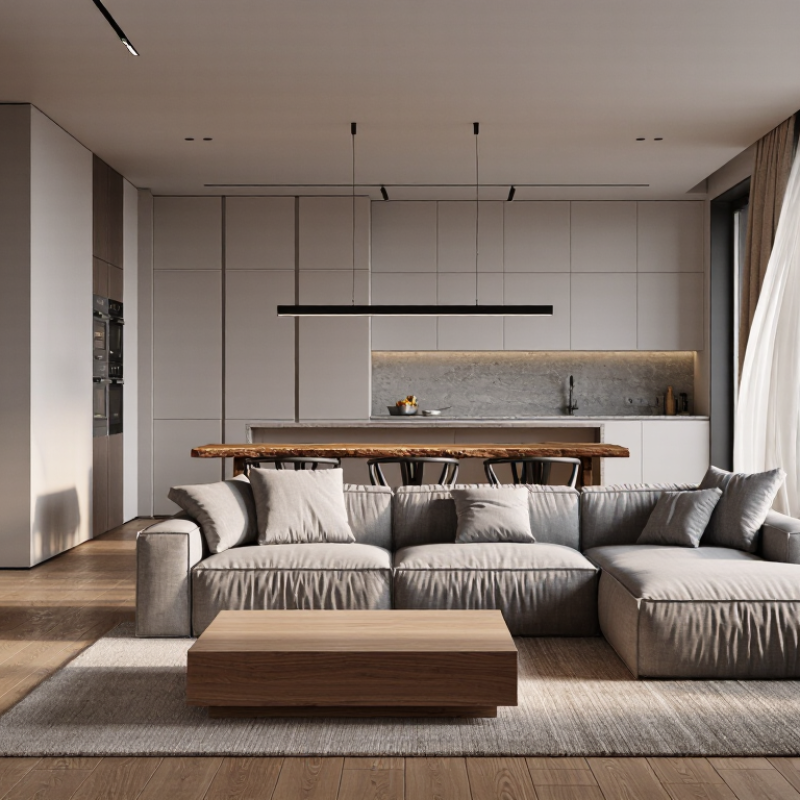
How to Choose Popular Materials for Modern Home Decor?

Identify Key Material Trends in Modern Home Decor

Modern home decor is shifting toward materials that feel natural, durable, and responsible. The 2023 Global Status Report for Buildings and Construction states that buildings consumed 32% of global energy and produced 34% of energy-related carbon emissions in 2022. This makes material selection more than a visual decision. Reclaimed wood, recycled glass, cork, lime plaster, and rapidly renewable fibers are gaining attention. They add texture without making rooms feel overly polished. Natural stone remains popular, but local sourcing can reduce transport impacts and improve traceability.

Surface trends also show a preference for quiet, tactile finishes. Houzz’s 2024 U.S. Kitchen Trends Study identifies quartz and natural stone as leading countertop choices in renovated kitchens. Matte surfaces, earthy colors, and visible grain help create softer interiors.

However, “sustainable” labels are not always clear. Certification, recycled content, maintenance needs, and expected lifespan should be checked carefully. A beautiful material can become waste if it stains easily or requires frequent replacement. I still find this part imperfect. Data rarely explains how a material performs after ten years.

Tips: Request product declarations, recycled-content details, and cleaning instructions before purchasing. Compare local suppliers, not only online images. Test samples beside daylight, warm lighting, and existing flooring. Use durable materials on high-contact surfaces, then reserve delicate finishes for low-use areas. Mixing one expressive material with simpler backgrounds often creates a more balanced room.

Compare Materials by Durability, Maintenance, and Cost

When choosing modern home decor materials, compare durability, maintenance, and cost together. In renovation consultations, I examine how each surface handles daily contact, moisture, heat, and cleaning. Porcelain tile usually resists scratches and water well, making it practical for kitchens and entryways. Solid wood adds warmth, but it can dent, fade, or react to humidity. Engineered stone offers a consistent appearance, though edge damage may require professional repair.

Maintenance often changes the real cost. A low-priced laminate surface may need gentle cleaning and careful protection from hot cookware. Its affordable installation can be attractive, but replacement becomes expensive if moisture reaches the edges. Natural stone needs periodic sealing, which adds time and labor. Metal details are easy to wipe, yet fingerprints can appear quickly. I once selected a beautiful porous surface for a busy family room. It looked excellent at first, but the maintenance demands were underestimated.

Tips: Request samples before deciding. Place them near a window and under evening lighting. Test a small area with water, a damp cloth, and a mild cleaner recommended for that material. Ask about expected service life, repair options, installation waste, and replacement costs. A cheaper material is not always economical. Neither is the most durable choice always suitable. Consider how your household actually lives, including pets, children, cooking habits, and available cleaning time. That practical check can prevent an attractive but inconvenient decision.

Match Material Choices with Room Functions and Design Styles

Choosing popular materials for modern home decor should begin with each room’s daily demands. Kitchens need surfaces that resist heat, stains, and frequent cleaning.

Porcelain tile works well for floors because it is durable and available in many finishes. Engineered stone can suit counters, but seams and heat exposure still require careful planning.

In bathrooms, textured ceramic tile improves grip, while moisture-resistant paint protects walls. I have found that attractive materials often fail when maintenance is ignored.

Living rooms allow more creative combinations. Warm wood can soften a minimalist design, while metal details add a sharper industrial feeling.

Linen, wool, and cotton bring comfort to seating and curtains.

In bedrooms, quieter textures usually support rest better than glossy surfaces.

A calm palette of pale wood and woven fabric feels natural, though it may show dust more clearly. That small drawback matters.

Tips:

Match the material to the room’s wear, moisture, and cleaning routine. Test samples under morning and evening light. Check slip ratings, durability data, and installation requirements before buying. Use one dominant material, then add two supporting textures. Do not copy a trend blindly. Your home may need something less fashionable, but more practical.

Evaluate Sustainability, Safety, and Environmental Impact

How to Choose Popular Materials for Modern Home Decor?

Evaluate Sustainability, Safety, and Environmental Impact

Modern interiors often feature reclaimed wood, bamboo, cork, recycled glass, and natural stone. Their appeal goes beyond appearance. Each material carries an environmental cost, from extraction and manufacturing to transportation and disposal.

Reclaimed wood can reduce demand for newly cut timber, but inspect it carefully. Old coatings may contain harmful substances, and hidden moisture can cause mold. Choose suppliers who provide treatment records and clear sourcing information. Bamboo grows quickly, yet adhesives and long-distance shipping still affect its footprint. Low-VOC paints can improve indoor air quality, especially in bedrooms and nurseries. However, “natural” does not always mean harmless. Read technical sheets and ventilation guidance.

Safety matters in daily use. Smooth, sealed surfaces are easier to clean, while porous stone may absorb spills. In renovation projects, I have seen attractive finishes become difficult to maintain after one busy month. That experience changed my choices. A beautiful material is not automatically practical.

Tips: Request recycled-content data, durability ratings, and maintenance instructions. Check for independent safety testing where possible. Prefer local materials when quality remains comparable. Avoid products with vague environmental claims. No material is perfect. A thoughtful compromise usually lasts longer. Consider repairability before choosing a trend-driven finish. A replaceable cabinet panel may create less waste than a fully bonded design. Examine samples under daylight, too; some coatings release stronger odors indoors than expected.

Create a Balanced Material Palette for Your Home

A balanced material palette begins with contrast, not a long shopping list. I usually choose three core materials: a quiet base, a tactile layer, and one durable accent. Warm oak, honed stone, and aged metal can make a kitchen feel grounded without looking staged. Keep similar undertones together. Yellow oak beside blue-gray stone may create an accidental argument.

32% of global energy

34% of global carbon dioxide emissions

The 2024 Global Status Report for Buildings and Construction states that buildings consumed 32% of global energy and produced 34% of global carbon dioxide emissions in 2022. Material choices deserve practical scrutiny. Select durable surfaces for high-touch areas, and ask suppliers about recycled content, repairability, and responsible timber sourcing.

The U.S. Environmental Protection Agency also notes that indoor pollutant levels can be two to five times higher than outdoors. Low-emitting paints, adhesives, and flooring therefore matter, especially in bedrooms.

Start with samples under morning and evening light. Small details matter. A rough ceramic tile can balance a smooth cabinet, while linen curtains soften polished concrete.

I once combined too many matte finishes, and the room looked flat.

The correction was simple: one reflective surface, used sparingly. Trends can guide the palette, but they should not control it. Choose materials you can clean, maintain, and still enjoy after several seasons.

FAQS

Which materials suit modern home decor?

Reclaimed wood, recycled glass, cork, lime plaster, and renewable fibers add natural texture. They feel less polished. Natural stone remains useful, especially when sourced locally.

How should I judge a material’s durability?

Check how it handles moisture, heat, scratches, cleaning, and daily contact. Porcelain tile works well in kitchens and entryways. Solid wood feels warm but may dent or react to humidity.

Can a cheaper material reduce renovation costs?

Not always. Low-cost laminate may require careful cleaning and hot cookware protection. Moisture damage near its edges can make replacement expensive. Consider installation, repairs, lifespan, and future replacement costs.

What maintenance questions should I ask before buying?

Ask for cleaning instructions, sealing requirements, repair options, and expected service life. Test a small sample with water and a mild recommended cleaner. A beautiful porous surface may demand more work than expected.

How can I create a balanced material palette?

Choose a quiet base, a tactile layer, and one durable accent. Warm wood, honed stone, and aged metal can work together. Keep their undertones compatible. Too many matte finishes may make a room look flat.

How should lighting affect my material choice?

Place samples near a window and under warm evening lighting. Colors and textures can change dramatically. A surface that looks calm at noon may feel harsh at night.

Which materials are better for high-contact areas?

Use durable surfaces around sinks, entrances, counters, and cooking zones. Reserve delicate finishes for low-use areas. This simple division can reduce repairs. It is not always visually perfect.

How can I make material choices more responsible?

Request product declarations, recycled-content details, and responsible sourcing information. Compare local suppliers and transport distances. Choose repairable materials with long service lives. “Sustainable” labels still need careful checking.

Conclusion

Choosing the right materials is essential for creating a modern home that looks attractive, functions well, and remains comfortable over time. What materials are most popular in modern home decor often depends on current preferences for natural textures, clean lines, and practical performance. Wood, stone, glass, metal, ceramic, and sustainable composites can each contribute a distinct visual character. When comparing them, consider durability, maintenance requirements, overall cost, and how well they handle moisture, heat, stains, or daily use.

Material choices should also reflect each room’s function and design style. Easy-care surfaces may suit kitchens and bathrooms, while warmer materials can make bedrooms and living areas feel inviting. Sustainability, indoor safety, responsible sourcing, and environmental impact should guide the final decision. A balanced material palette combines contrasting textures and complementary colors without making the space feel crowded. By thoughtfully mixing practical, durable, and visually harmonious materials, homeowners can create a modern interior that is stylish, sustainable, and suited to everyday life.

Aria

Aria

Aria is a dedicated marketing professional with a deep passion for innovative strategies and a keen understanding of our company's product offerings. With a wealth of experience in the industry, Aria excels at crafting engaging content that highlights the unique features and benefits of our......