Mirrors are powerful tools in home decor. They can transform spaces, enhance light, and create a sense of depth. When considering **how to use mirrors as effective home decor elements**, it is essential to integrate them thoughtfully into your design. This approach not only amplifies visual appeal but also addresses practical needs.
Utilizing mirrors effectively requires a blend of creativity and strategy. Placement is key; a mirror positioned near a window reflects natural light, brightening the room. Additionally, mirrors can make small spaces feel larger. However, care must be taken to avoid clutter. A misused mirror can disrupt tranquility rather than enhance it.
Many homeowners overlook the significance of mirror styles and frames. A contrasting frame can add character, while a sleek design creates a modern look. Keep in mind that too many mirrors can overwhelm. Striking a balance is crucial for achieving a harmonious environment. Ultimately, understanding how to use mirrors thoughtfully can elevate your home’s aesthetic, creating a welcoming and stylish atmosphere.
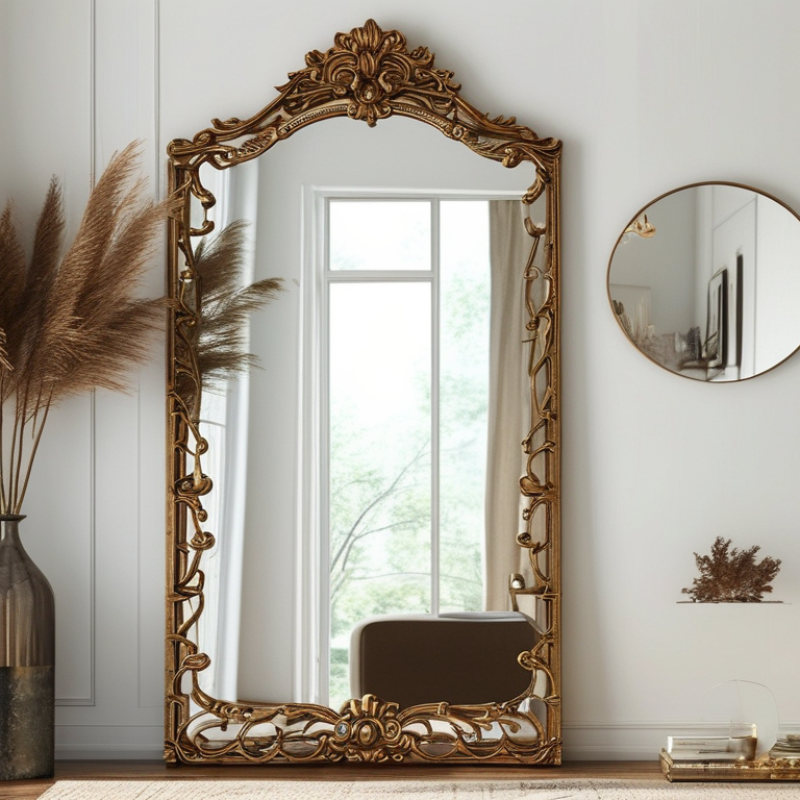
Choosing the right style of mirrors can transform your space dramatically. Consider the size of your room before selecting. A large mirror can create an illusion of depth. It can also reflect natural light, making a small area feel more spacious. Think about the shape as well. Round mirrors soften sharp edges in a room, while rectangular ones can add structure.
Textures and frames are equally important. A vintage frame can add character, while a sleek, modern frame offers a contemporary feel. Choose a style that complements your existing decor. Don’t rush this decision; it’s crucial to find a balance. Mixing styles can lead to a chaotic look if not done thoughtfully.
Pay attention to placement too. A mirror placed across from a window can enhance daylight but may also create glare. Think about how you use your space. A mirror in a hallway can be handy but might feel forced if it clashes with wall art. Sometimes, mirrors may not fit well or may not serve the intended purpose. It’s essential to rethink their placement to achieve harmony in your design.
Mirrors can dramatically transform the atmosphere of a room when placed thoughtfully. When considering placement, think about
natural light. A well-placed mirror can capture sunlight and reflect it into dark corners.
This approach enhances the brightness and creates an illusion of space. However, too many mirrors in one area can feel overwhelming.
It’s essential to balance reflections with the room’s overall design.
Placement is also crucial for functionality. Consider where you often spend time. For instance, a mirror in the entryway helps
with quick checks before leaving home. In bedrooms, mirrors above dressers can serve a dual purpose:
functionality and aesthetics.
Don’t forget about unique angles. A mirror positioned at an angle can add dimension. It may require experimentation to find
the right spot that feels harmonious.
Additionally, pay attention to the mirror frame. A heavy frame might dominate a small space, while a delicate design may
get lost in a larger room. Reflecting personal style is important, yet it should not overshadow comfort. Think about how
the mirror contributes to the room’s energy and flow. It’s easy to overlook these details, but taking the time to
get it right pays off significantly.
Mirrors can dramatically enhance natural light in your home. They reflect light, making rooms brighter and more spacious. Placing a large mirror opposite a window is an effective way to maximize natural light. This placement encourages sunlight to bounce around the room.
Consider using smaller mirrors in dark corners. Position them to catch and reflect light from other sources. A mirror in a hallway can also create an illusion of depth. This helps spaces feel more open and inviting.
Tip: Be mindful of mirror framing. A simple frame can blend well with any decor style. On the other hand, an ornate frame can become a statement piece. Mirrors with different shapes add dimension to your rooms. Reflective surfaces can create unexpected focal points, drawing the eye and enhancing your decor.
Not every mirror placement will yield the right effect. Experiment with angles and positions. You may find some setups work better than others. Reflect on how the natural light changes throughout the day. Adjust your mirrors accordingly to make the most of sunlight at different times.
Mirrors can transform a room, creating visual interest and depth. Combining different sizes and shapes of mirrors can bring personality to your decor. Large mirrors can serve as focal points, while smaller ones can be arranged in clusters. This creates a dynamic look that captures attention.
Consider the placement of mirrors thoughtfully. Positioning a mirror to reflect light can brighten a dimly lit space. However, avoid overdoing it. Too many mirrors can overwhelm a room. A single statement piece might be more effective than multiple smaller ones. Think about your overall design theme to ensure harmony.
Experimentation is key. You may discover that a mirror looks great in one spot, but you're unsure about another. Try different orientations. A horizontal mirror can expand a narrow room's appearance, while vertical mirrors can draw the eye up. Reflect on how these adjustments change the ambiance. Trust your instincts and enjoy the process of enhancing your home.
| Tip Number | Tip Description | Benefits |
|---|---|---|
| 1 | Use mirrors to create the illusion of space in small rooms. | Makes the room appear larger and more open. |
| 2 | Place mirrors across from windows to reflect natural light. | Brightens the room and reduces reliance on artificial light. |
| 3 | Experiment with different mirror shapes and styles. | Adds visual interest and enhances the decor theme. |
| 4 | Group several small mirrors together for an artistic effect. | Creates a dynamic focal point in any room. |
| 5 | Use a large mirror as a statement piece. | Draws attention and enhances the overall design. |
| 6 | Incorporate mirrors in unexpected places, like hallways or closets. | Surprises guests and utilizes space efficiently. |
| 7 | Frame mirrors with stylish trim that matches your decor. | Integrates the mirror into the room's aesthetic. |
| 8 | Position mirrors at eye level for the best reflection. | Ensures practicality and enhances usability. |
| 9 | Incorporate mirrors in your entryway for a welcoming feel. | Makes for a practical and stylish introduction to your home. |
| 10 | Utilize mirrored furniture pieces to add glam without clutter. | Maximizes light and minimizes visual weight in a space. |
Maintaining mirrors in your home is essential for their longevity and aesthetic appeal. According to the National Institute of Cleaning Educators, improperly cleaned mirrors can lead to discoloration. Regular maintenance helps to prevent this. A simple solution of warm water and mild soap can work wonders. Use a soft microfiber cloth to avoid scratches. Streaks and smudges can be common during cleaning, so always wipe in one direction. This reduces the chances of leaving behind residue.
Deep cleaning may be necessary from time to time. A vinegar and water solution works effectively. This natural cleaner cuts through grime without harsh chemicals. Be sure to test it on a small area first, as some coatings may react negatively. Remember to avoid abrasive sponges, as they can cause irreversible damage to the surface.
Reflect on the placement of your mirrors, as well. Over time, dust can gather, affecting reflections. Regularly dusting the frame and edges helps maintain their clarity. You may encounter frustrations during cleaning, like persistent spots that refuse to budge. This emphasizes the importance of routine care. Maintaining mirrors not only enhances their look but also ensures they continue to brighten and enlarge your space effectively.
: Mirrors reflect light, brightening up dark corners and creating an illusion of space. Placement matters greatly.
Consider placing mirrors in high-traffic areas, like entryways or above dressers. They help with quick checks.
Yes, but avoid overcrowding. Too many mirrors can feel overwhelming and disrupt the room’s harmony.
Place larger mirrors opposite windows. This helps maximize sunlight and creates a brighter, more spacious feel.
Use warm water and mild soap with a soft microfiber cloth. Always wipe in one direction to avoid streaks.
No, the frame should match the room’s size. Heavy frames may dominate small spaces, while delicate frames might get lost.
Regular cleaning prevents discoloration. Dust the frame and edges often to keep reflections clear and bright.
Persistent spots can be frustrating. Regular care is essential to maintain clarity and avoid build-up over time.
Yes, experimenting with angles can add dimension and improve light reflection. It may take time to find the ideal position.
Different shapes can create focal points and add visual interest. They enhance decor by inviting attention in new ways.
Using mirrors as effective home decor elements can transform your space in numerous ways. The first step is to choose the right style of mirrors that complements the existing decor. Whether opting for sleek modern designs or vintage pieces, each type can add character to your room. Placement is crucial; mirrors should be strategically positioned to reflect light and create the illusion of more space.
Additionally, utilizing mirrors to enhance natural light can make a room feel brighter and more inviting. Creative combinations and arrangements of mirrors can add visual interest, serving as focal points or accents throughout your home. Finally, maintaining and cleaning your mirrors will ensure they remain a stunning feature for years to come. By following these guidelines, you can maximize the aesthetic value of mirrors in your home.

Dehua Decor