In recent years, the home decoration design industry has undergone significant transformations. More consumers are emphasizing personal expression and well-being in their living spaces. A report by the American Society of Interior Designers predicts that 68% of homeowners will focus on sustainable materials by 2025. This shift raises a critical question: What is the future trend of home decoration design?
Experts in the field, such as renowned designer Emily Henderson, have noted that “comfort and sustainability will drive design choices moving forward.” Her insights reflect a growing awareness of environmental impacts and the need for cozy, functional homes. As more people work from home, spaces that blend relaxation and productivity are becoming essential.
However, challenges remain. The increasing demand for sustainable products can lead to higher costs and limited options for some consumers. Balance is necessary. While trends evolve continuously, the pursuit of both beauty and practicality will shape the industry's future. Observing these dynamics will help both designers and homeowners make informed decisions in the coming years.
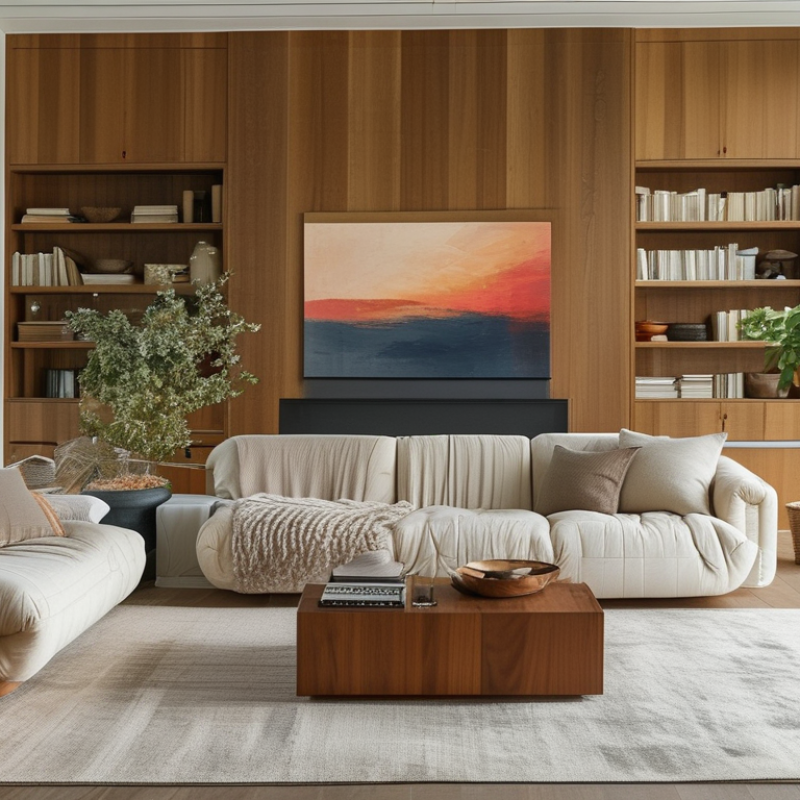
As sustainable living becomes more crucial, the home decor industry embraces eco-friendly materials. Designers are now focusing on renewable resources. This shift reflects a larger trend in consumer behavior. Homeowners increasingly want decor that is both stylish and sustainable.
Natural materials like bamboo, cork, and reclaimed wood are gaining popularity. These elements not only look good but also have a lower environmental impact. Using such materials reduces waste and promotes sustainability. A well-decorated space can be achieved using these innovative options. However, the challenge lies in sourcing them consistently and ensuring quality.
While there is excitement about these materials, there are still hurdles. Some sustainable choices can be cost-prohibitive or challenging to maintain. Additionally, the market is flooded with misleading claims. It can be hard to distinguish truly eco-friendly products from those that are not. Awareness and education in this area are essential for both designers and consumers. The journey towards sustainable home decoration is ongoing, with room for growth and improvement.
The integration of smart home technology into interior design is transforming spaces. Homeowners now seek functionality and aesthetic appeal in equal measure. Smart lighting systems adjust brightness and color based on the time of day. Automated shades can open with the sunrise or close at sunset. This seamless blend of tech and design offers comfort and efficiency.
However, the rise of smart technology is not without its challenges. Many people struggle to navigate complex systems. Users sometimes find themselves overwhelmed by options. Not every device integrates smoothly with others. Homeowners may need professional help with this technology. It's crucial to consider usability alongside design.
Safety and privacy concerns also arise with smart systems. Data breaches can expose personal information. Homeowners must remain vigilant about their digital security. These issues may lead to hesitation in adopting smart designs. Thoughtful planning can help address these concerns while enhancing home environments. Balancing aesthetics and practicality is vital in this evolving landscape.
| Trend | Description | Impact on Interior Design | Consumer Preference |
|---|---|---|---|
| Smart Lighting | Integration of smart bulbs and lighting systems that can be controlled via smartphone. | Enhances ambiance and comfort with adjustable lighting. | High demand for customizable settings. |
| Smart Thermostats | Devices that learn user habits and adjust heating and cooling automatically. | Promotes energy efficiency and cost savings. | Growing interest in energy-efficient solutions. |
| Home Security Automation | Integration of cameras, sensors, and alarms that can be monitored remotely. | Increases safety and provides peace of mind. | Rising concern for home safety drives popularity. |
| Voice Activated Systems | Voice control for devices improving accessibility and convenience. | Transforms interaction with home technology. | Increasingly popular among tech-savvy users. |
| AI Interior Design | AI software that assists in designing spaces based on user preferences. | Streamlines the design process with personalized recommendations. | High interest among DIY enthusiasts. |
| Energy Monitoring Devices | Tools that track energy usage and provide feedback for reductions. | Encourages sustainable design and practices. | Increasing awareness of environmental impact. |
| Smart Appliances | Appliances that can be controlled remotely or programmed for efficiency. | Enhances functionality and modern aesthetics. | Preference for high-tech kitchen solutions. |
| Virtual Reality Visualization | Using VR to visualize interior design before implementation. | Enhances decision-making and design accuracy. | Growing interest among homeowners and designers. |
| Smart Home Hubs | Centralized systems that control various smart home devices. | Streamlines management of home technology. | User-friendly solutions are highly sought after. |
| Biophilic Design | Incorporating nature into design to improve well-being. | Enhances emotional connections to spaces. | Increasingly popular as wellness trends rise. |
The trend of biophilic design is rapidly growing in residential spaces. A recent report from the International Society of Biophilic Design (ISBD) highlighted that 78% of homeowners are prioritizing natural elements in their interiors. This approach focuses on creating a connection between people and nature within living environments.
Incorporating natural light, plants, and organic materials enhances well-being. Studies indicate that homes with abundant greenery lead to a 30% decrease in stress levels. Yet, many designers struggle with integrating these elements seamlessly. Balancing aesthetics and functionality can be challenging. Simple practices, like adding large windows or indoor gardens, can transform spaces dramatically.
Moreover, biophilic design encourages sustainability. A report from the Green Building Council shows that 70% of new homebuyers prefer sustainable features. However, there are concerns about maintenance and cost. While some may find it daunting to care for plants or choose eco-friendly materials, the long-term benefits are worth considering. This design philosophy is more than a trend; it reflects a profound need for reconnecting with nature.
The minimalist aesthetic has become a leading trend in modern home decoration. According to a recent survey by the American Society of Interior Designers, 75% of homeowners prefer simplicity and functionality in their spaces. This shift is not just about aesthetics; it's a lifestyle choice that promotes mindfulness and reduces clutter.
Minimalism draws from the principle that less is more. Open spaces, neutral colors, and essential furnishings create a serene atmosphere. Many designers advocate for multifunctional furniture to maximize utility without sacrificing style. For instance, a coffee table can also serve as a storage unit, optimizing space in smaller homes. This trend resonates with younger generations striving for economic sustainability while seeking beauty.
Tip: When decorating, focus on quality over quantity. Select key pieces that make a statement, avoiding unnecessary decor.
Embracing a minimalist approach encourages us to reflect on our storage habits and consumption patterns. A report from the National Association of Home Builders indicates that minimalist interiors lead to a 20% reduction in household goods. This transition allows for emotional clarity and cohesion in living spaces.
Tip: Clear out items you no longer use. This practice not only opens up your space but also promotes a sense of freedom and lightness in your home.
The rise of 3D printing technologies is transforming home decoration design. Customization has never been easier. Homeowners now have the option to create unique pieces that reflect their personal tastes. Imagine a bespoke lampshade that perfectly matches your living room decor. This technology allows for intricate designs that were once impossible to achieve with traditional methods.
However, with increased customization comes the challenge of quality control. Not all 3D printed items meet high standards. Some may lack durability or finish. Consumers must be cautious and seek reliable services. The rapid growth of the 3D printing industry means that the best practices are still evolving. It’s essential for designers and consumers to stay informed about advancements and limitations.
Moreover, 3D printing encourages creativity. It empowers individuals to experiment with shapes and materials. This can lead to unexpected results. Not every design will be a success. Sometimes, the end product may differ significantly from the initial vision. This process of trial and error is part of the journey in home decoration design. The future holds immense potential, but also requires thoughtful consideration of both risks and opportunities.
: Biophilic design emphasizes connecting people to nature in living spaces. It incorporates natural light, plants, and organic materials.
Many homeowners prioritize natural elements. Approximately 78% value a connection to nature in their interiors.
Homes with plenty of plants can decrease stress levels by 30%. This significantly enhances overall well-being.
Integrating natural elements can be tough. Balancing aesthetics and function often leads to struggles in execution.
3D printing allows for easy customization. Homeowners can create unique pieces that truly reflect their personal style.
No, not all 3D printed items meet quality standards. Some may lack durability or proper finish; cautious selection is essential.
Yes, 3D printing fosters creativity. It allows users to explore new shapes and materials, though results can be unpredictable.
Consumers should stay informed about practices and limitations in the quickly evolving 3D printing industry.
Maintaining plants and eco-friendly materials can be daunting. Costs and care are common worries for homeowners.
No, it represents a deeper need to reconnect with nature, reflecting lasting values rather than just a passing trend.
The future trend of home decoration design is set to be shaped by several key developments. Firstly, the emergence of sustainable materials is increasingly influencing the decor industry, as consumers seek eco-friendly and ethical choices in their homes. Additionally, the rise of smart home technology integration is transforming interior design, allowing homes to become more interactive and efficient.
Moreover, biophilic design, which emphasizes a connection to nature, is gaining popularity in residential spaces, promoting well-being and harmony. The minimalist aesthetic continues to expand its influence, offering clean lines and functional spaces that resonate with modern lifestyles. Finally, advancements in 3D printing technologies are driving increased customization options, enabling homeowners to personalize their decor like never before. Collectively, these trends indicate a dynamic and innovative future for home decoration design.

Dehua Decor