Matching home decor with various room styles requires both creativity and knowledge. Expert interior designer Sarah Thompson once said, "The right decor can transform any space into a personal retreat." Her insights emphasize the balance between aesthetics and functionality.
Understanding how to match home decor with different room styles can feel overwhelming. Each room serves a unique purpose, impacting the choice of colors, furniture, and accessories. For instance, a cozy living room may benefit from warm hues and plush textiles. In contrast, a minimalist office demands structure and simplicity.
It’s essential to reflect on personal tastes and how they align with the room's function. Experimenting with styles can lead to unexpected combinations that resonate. Are you drawn to modern sleekness, or do you prefer rustic charm? Embracing these variations adds depth and character to your home. Each space tells a story, and the decor should highlight that narrative.
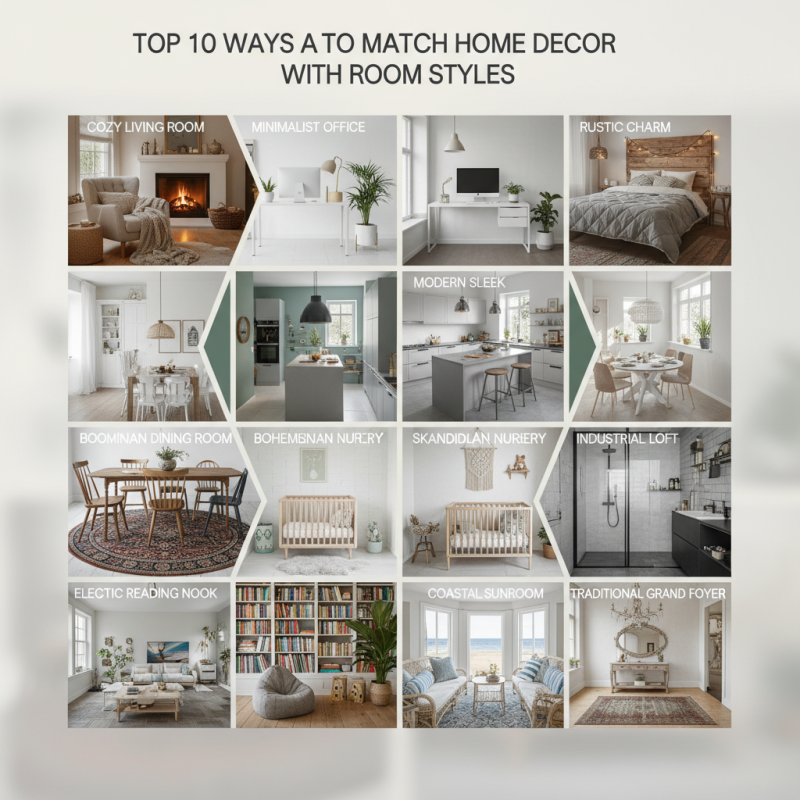
Identifying different room styles can significantly enhance your home decor choices. Each style has its unique aesthetics, influencing color, furniture, and decor selection. For instance, a minimalist room focuses on clean lines and neutral colors, creating a calming environment. According to industry reports, minimalist decor can improve mindfulness and reduce stress levels by creating orderly spaces.
Bohemian style, on the other hand, celebrates creativity and eclecticism. This style combines various colors, patterns, and textures, encouraging personal expression. A study by the American Institute of Stress found that vibrant colors can impact mood positively. People who utilize color-rich decor experience heightened feelings of joy and comfort in their spaces.
Transitional design blends traditional and contemporary elements. It offers balance and sophistication, appealing to those who appreciate both styles. The National Association of Home Builders reports that a significant percentage of homeowners prefer transitional designs for their versatility. As homeowners reflect on their preferences, they often encounter a challenge—balancing personal style with broader trends. This struggle can lead to decor that feels disjointed or lacks cohesion. Noticing these incongruences may spur thoughtful reevaluation of what truly resonates with them in their living spaces.
| Room Style | Key Characteristics | Color Palette | Suggested Decor Items | Best Plants |
|---|---|---|---|---|
| Modern | Clean lines, minimalistic | Neutral tones, monochromes | Sleek furniture, abstract art | Snake plant, succulents |
| Bohemian | Eclectic patterns, cozy | Warm earthy tones | Layered textiles, handmade crafts | Pothos, ferns |
| Industrial | Raw materials, open spaces | Grays, blacks, metallics | Exposed pipes, vintage decor | ZZ plant, rubber plant |
| Farmhouse | Rustic, warm, inviting | Whites, creams, soft pastels | Wooden furniture, vintage signs | Lavender, herbs |
| Scandinavian | Simplicity, functionality | Light, airy colors | Simple furniture, natural materials | Spider plant, peace lily |
| Contemporary | Current trends, dynamic | Bold hues, contrast | Mixed materials, large-scale art | Dracaena, ficus |
| Minimalist | Less is more, uncluttered | Black, white, grey | Functional furniture, few decorations | Cactus, small succulents |
| Traditional | Classic designs, elegance | Rich colors, deep hues | Antique furniture, ornate details | Bamboo, peace lily |
| Coastal | Light, breezy, relaxed | Blues, whites, sandy tones | Seashell decor, nautical elements | Sea grass, air plants |
: A minimalist room focuses on clean lines and neutral colors. It creates a calming and orderly space.
Bohemian style uses vibrant colors and various textures. This eclectic approach can evoke feelings of joy and comfort.
Transitional design blends traditional and contemporary elements. It offers balance and sophistication in decor choices.
Color psychology affects mood significantly. Choosing the right colors can enhance comfort and create a desired atmosphere.
Warm colors evoke energy for social areas. Cool colors promote calmness, ideal for bedrooms and bathrooms.
Lighting affects how colors appear throughout the day. Poor lighting can lead to disappointment in intended aesthetics.
Personal style often clashes with current trends. This can result in decor that feels disjointed or unsatisfactory.
Overlooking the impact of color and lighting can lead to frustration. Matching intention with reality is crucial for harmony.
In "Top 10 Ways to Match Home Decor with Room Styles," the article explores essential strategies for harmonizing decor elements with various room aesthetics. It begins by identifying different room styles and their unique characteristics, emphasizing the importance of understanding color psychology to make informed decor choices. By selecting furniture pieces that align with specific themes, homeowners can create a cohesive and inviting atmosphere.
Furthermore, the article highlights the significance of incorporating textiles and accessories that enhance the overall design while ensuring a balance between functionality and style. By applying these principles, readers will gain valuable insights on how to match home decor with different room styles, ultimately transforming their spaces into well-styled environments that reflect personal taste and comfort.

 Dehua Decor