Storing extra home decor items can be a challenge. Many of us love to collect beautiful pieces, but what happens when they all don’t fit? Let’s explore how to store extra home decor items properly without damaging them. The right storage techniques can make a huge difference in preserving their condition. You can prevent scratches, breaks, and fading with just a few thoughtful steps.
Investing in quality storage solutions is essential. Clear bins allow you to see what you have while providing protection from dust. Bubble wrap and soft padding are also important for fragile items. Remember, keeping these pieces in a cool, dry place can prevent mold and mildew. However, it’s easy to forget about the little details. Items improperly stacked can lead to damage, even in great storage.
Consider your decor’s materials too. Some fabrics need special care, while others might be more resilient. Reflect on your organization system. Sometimes, we overstuff spaces or create chaos that leads to mishandling. Embracing a systematic approach ensures your decor stays vibrant and usable. How to store extra home decor items properly is not just about saving space; it’s about preserving memories and aesthetics for years to come.
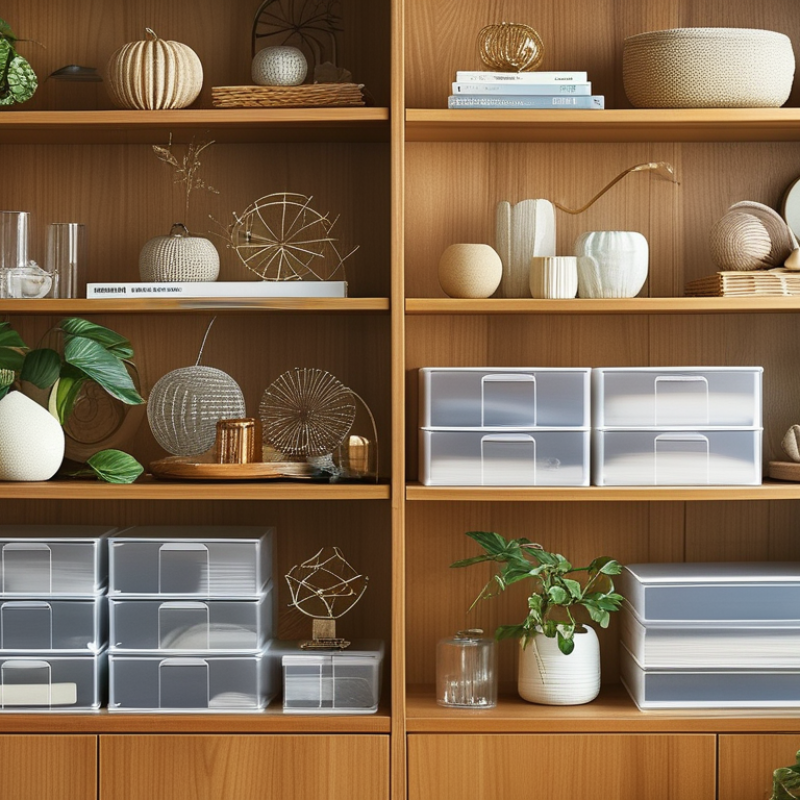
When choosing the right storage space for home decor items, consider climate and accessibility. A controlled environment helps prevent damage. Extreme temperatures can warp wood, while humidity promotes mold. A basement may be too damp, whereas an attic can get too hot. Look for a location that maintains consistent conditions.
Using clear, airtight containers is helpful. These allow you to see your items and protect them from dust. Labeling boxes ensures easy access when you need something specific. Avoid stacking heavy items on top of fragile decor. This can lead to accidents and irreversible damage. Take a moment to reconsider how you organize.
If you have limited space, think creatively. Vertical storage options, like shelves, can be effective. Hanging pieces like wreaths can save space while showcasing your creativity. Review your collection periodically. You might find items you no longer need. Reflect on what decor truly brings you joy. This can lighten your storage load.
Preparing decor items for long-term storage requires careful planning. Statistics show that 30% of home decor items suffer damage during storage due to improper packing. Each item deserves your attention to ensure longevity. Begin with a thorough cleaning. Dust and dirt can attract pests and cause deterioration over time. Use a soft cloth and mild cleaner, making sure to dry items thoroughly before packing.
Wrapping is crucial. Utilize acid-free tissue paper for delicate items; it prevents scratches and tarnishing. For fragile glass items, consider bubble wrap and sturdy boxes. Professionals recommend using original boxes when available, as they are tailored to fit and protect specific items. Remember to label each box clearly. This step often gets overlooked, leading to confusion later on.
Temperature and humidity control play significant roles in storage. According to industry studies, stored items can warp or grow mold in high humidity. Invest in a climate-controlled unit if possible. If not, choose dry places away from sunlight. Reflect on your approach to storage. Are you prioritizing long-term care? Taking these steps can save significant time and money in the future.
Properly storing extra home decor items is crucial to prevent damage. The choice of storage containers plays a significant role in this process. Using containers that are appropriately sized and constructed will help maintain the integrity of your decor. For fragile items, opt for sturdy, padded containers. Look for those lined with soft materials to cushion your belongings.
Plastic bins with airtight seals can be excellent for various items. They offer protection against moisture and dust. Consider clear bins for easy visibility. That way, you can quickly find your items without opening every box. For less delicate pieces, cardboard boxes can suffice but ensure they are high-quality and free from moisture.
Labeling your containers helps, too. It not only saves time but also provides a clear inventory of your decor. However, do not overpack the containers. Items can become compressed, leading to potential damage. Balance is essential in storage; it’s a learning process. The right storage choices evolve as you gain experience with your home decor.
When storing extra home decor items, organization is key. An efficient system allows for easy access and prevents damage. Start by sorting items into categories. Group similar decor pieces together. This can include seasonal decorations, vases, and picture frames. Clear plastic bins can be a great solution here. They protect items from dust while allowing you to see what's inside.
Label each bin clearly. Use large, legible text for easy identification. This will save time when you need something specific. Consider using dividers for fragile items. Bubble wrap or packing paper can add an extra layer of protection. A few cushions can safeguard delicate pieces during storage.
Regularly reassess your storage solutions. Life changes may require adjustments. You might find you need more space or different arrangements. It's okay to rethink your strategy and swap items in and out. Keeping an organized storage area will help maintain the condition of your decor. A well-organized space can also inspire a fresh design for your home.
When it comes to storing extra home decor items, effective labeling and inventorying are essential. Start by gathering all items in one place. Work through each piece carefully. Consider the material and size. This helps you decide how to protect them during storage.
Labeling is vital. Use clear, descriptive labels on each box or container. Include details like the item type and condition. This way, you can quickly locate your decor when needed. Don't be afraid to mark boxes as "fragile" or "seasonal." It will save you headaches later.
Creating an inventory list can take time, but it pays off. Write down each item, its condition, and the storage date. A digital format can make tracking easier. Ensure you update the list each time you add or remove items. Reflect on the efficiency of your system. Could it be clearer? Does it need improvement? Documentation becomes your best ally for future reference.
: Consider climate control and accessibility to prevent damage from extreme temperatures and humidity.
Use sturdy, padded containers lined with soft materials to cushion your belongings during storage.
Plastic bins with airtight seals are great for moisture protection. Clear bins help with visibility.
Use clear, descriptive labels that include item type and condition for easy identification later.
Consider vertical storage options like shelves. Hanging decor pieces can save space while being creative.
Periodically review your collection to determine what items you no longer need and what brings you joy.
Write down each item's details, condition, and storage date. Update the list with every change.
Cardboard boxes can work, but ensure they are high-quality and moisture-free to avoid damage.
Do not overpack containers, as it can compress items and potentially cause damage over time.
Reflect on its efficiency regularly. Consider what can be clear and what needs improvement for easier access.
When considering how to store extra home decor items properly, it's important to follow a systematic approach to ensure their safety and longevity. First, select an appropriate storage space that maintains a stable environment, avoiding areas prone to moisture or extreme temperatures. Preparing the decor items involves cleaning and wrapping them securely to prevent damage from dust or shifting during storage.
The choice of storage containers plays a crucial role in protection; opt for boxes that are sturdy and provide cushioning. Organizing the decor items logically will not only facilitate easy access but also prevent potential breakage. Finally, labeling and inventorying each item will greatly simplify future retrieval and help maintain an organized storage space. By adhering to these guidelines, you can ensure that your home decor items remain in excellent condition until you're ready to use them again.

Dehua Decor