Choosing home decor products that are safe and non-toxic can be a complex task. Industry expert Dr. Emily Johnson, a renowned environmental scientist, emphasizes, “Being conscious of what we bring into our homes is crucial for our well-being.” This advice resonates deeply when selecting items that could impact our health.
Many consumers are unaware of harmful chemicals found in common decor items. From furniture finishes to paint, these products can contain volatile organic compounds (VOCs) and other toxins. Understanding how to choose safe and non-toxic home decor products is essential. It's important to read labels carefully. Look for certifications and products labeled as non-toxic or low-VOC.
Furthermore, consider the materials used. Sustainable options, like bamboo or organic fabrics, are often safer choices. Reflect on your space too; the right decor should enhance your home without compromising safety. As you embark on decorating, remember that even small changes can lead to healthier living environments.
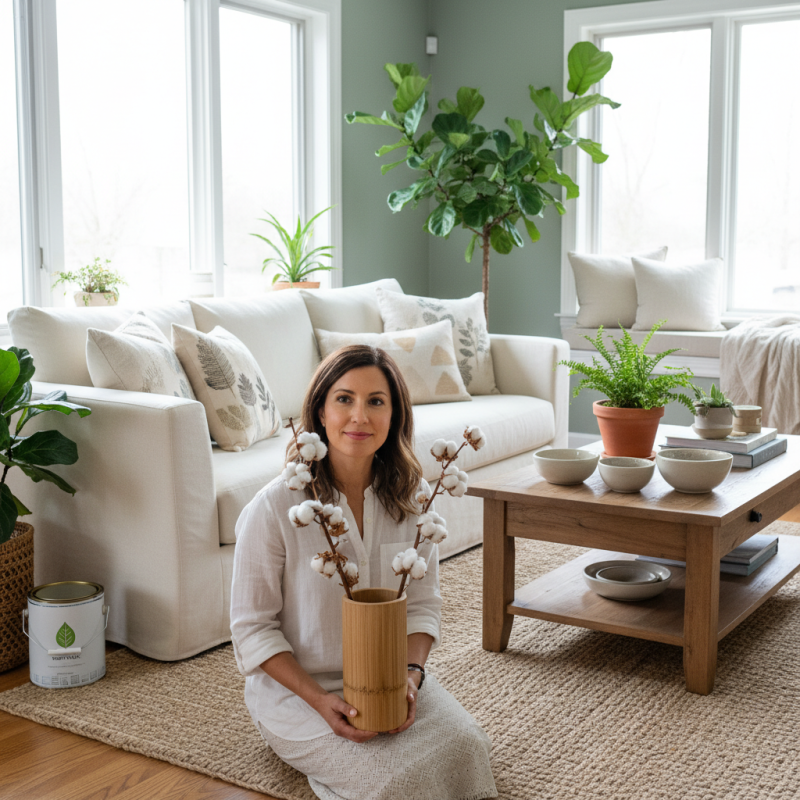
When it comes to home decor, safety and health should be top priorities. Non-toxic products are significant as they help create a healthy living environment. According to a study from the Environmental Protection Agency, indoor air is often more polluted than outdoor air. This highlights the importance of selecting safe materials. Many common decor items emit volatile organic compounds (VOCs), which can harm respiratory health.
Choosing non-toxic products can significantly reduce exposure to these harmful chemicals. Research shows that children are especially vulnerable to toxins. A report by the World Health Organization emphasizes the long-term health impacts of toxic exposures, particularly in early development stages. Therefore, opting for materials like natural fibers, non-toxic paints, and organic finishes is essential. These choices not only improve air quality but also promote overall well-being.
It's crucial to reflect on our decisions. Not every product labeled as "eco-friendly" is truly safe. Scrutinizing materials and certifications is necessary to ensure authenticity. Being informed helps us make better choices. Pay attention to the sources of products. Many items, while appealing, can pose hidden risks. Prioritizing safety in home decor fosters a nurturing space that supports health and comfort.
When selecting home decor products, awareness of harmful materials is essential. Many common items contain toxic chemicals that can affect indoor air quality. For instance, formaldehyde, often found in pressed wood products, can lead to respiratory issues and skin irritation. Reports highlight that indoor air can be up to five times more polluted than outdoors due to these substances.
Another material to avoid is PVC, commonly used in flooring and wall coverings. PVC releases phthalates, which are linked to hormonal disruptions and reproductive issues. A study found that households with high PVC levels had greater incidences of asthma-related problems. Low-VOC paints can reduce exposure, but choosing paints properly is crucial.
Natural fiber textiles, like cotton or jute, present safer alternatives. However, organic certifications are necessary to ensure no harmful chemicals were used in production. An effort to use eco-friendly materials can significantly enhance your home environment. Although many products claim to be “safe” or “green,” it’s important to check certifications and do thorough research. Consider your health and safety first.
This chart represents the relative toxicity levels of various home decor products, with a scale from 1 to 10, indicating the level of harmful chemicals typically found in these items. The goal is to help consumers be aware of what to avoid for a safer living environment.
When selecting home decor products, evaluating safety certifications is crucial. Look for labels that indicate low VOC (volatile organic compounds) emissions. These products are often less harmful to indoor air quality. Checking for certifications such as GREENGUARD or the Forest Stewardship Council can provide peace of mind. These organizations conduct rigorous testing for toxicity and environmental impact.
Furthermore, not all certifications are created equal. Some may lack transparency in their criteria. Take time to research what each label means. Are they independent? Do they follow strict guidelines? Many consumers overlook this, leading to potential risks in their homes. Transparency matters. Products with clear and reliable certifications are more likely to be non-toxic.
Additionally, pay attention to ingredient lists. Terms like ‘natural’ or ‘eco-friendly’ can be misleading. Understand what materials are being used in your decor. Synthetic options can sometimes be safer. It’s essential to challenge your assumptions about what is harmful. Keep questioning the claims to make informed choices.
When selecting home decor, it's vital to consider non-toxic alternatives. Many conventional materials contain harmful chemicals. Popular choices include organic cotton for textiles and bamboo for furniture. These materials are not only safe but sustainable.
One tip is to look for certifications. Products with labels like GOTS or OEKO-TEX indicate lower chemical residues, building trust in the safety of your selections. Another approach is to choose natural finishes over synthetics. For instance, opt for water-based paints instead of solvent-based ones. They emit fewer volatile organic compounds (VOCs).
Local artisans often use safe materials. Their products may lack extensive marketing claims but can deliver quality and safety. Seek out handmade options that promote environmental health. Overall, being mindful about your home decor can lead to a safer, healthier living space. Balancing style with safety often requires effort and research.
When sourcing safe home decor products online, thorough research is essential. A 2020 report by the Consumer Product Safety Commission indicated that indoor air quality can be affected by toxic materials often found in decor items. This shows the importance of scrutinizing product details.
Look for certifications like Greenguard or OEKO-TEX. These labels indicate lower levels of harmful substances. Many consumers overlook these certifications, which can lead to unexpected health risks. Pay close attention to ingredient lists and materials; many decorative items use chemicals that release volatile organic compounds (VOCs). A study from the Environmental Protection Agency revealed that VOCs can significantly impact air quality inside homes.
Reading reviews is crucial, but focus on sources that cite experiences with safety and toxicity. Consider how other buyers have reacted to the smell or off-gassing of products. Engaging with forums dedicated to eco-friendly living can provide valuable insights. This practice may reveal dangers that are not visible in photos but are present in real usage. Remember, the allure of a perfect design should not overshadow safety in your choices.
: Non-toxic products help create a healthier living environment and improve indoor air quality.
VOCs are harmful chemicals often emitted by common decor items, which can affect respiratory health.
Natural fibers, non-toxic paints, and organic finishes can improve health and air quality.
Look for reliable labels that indicate low VOC emissions and check for transparency in certification criteria.
No, not every product labeled as "eco-friendly" is truly non-toxic. Scrutinizing materials is necessary.
Focus on certifications, ingredient lists, and consumer reviews that discuss safety and toxicity experiences.
Reviews can provide insights into safety issues that may not be apparent from product descriptions or photos.
Yes, some synthetic options can be safer. It's important to challenge assumptions about harmful materials.
Research product sources, scrutinize labels, and remain cautious about attractive designs that may compromise safety.
Consider the potential long-term impact on health and continuously question the claims made by manufacturers.
When it comes to creating a safe living environment, understanding how to choose safe and non-toxic home decor products is essential. Non-toxic decor not only enhances the aesthetic of a space but also ensures the well-being of its inhabitants by reducing exposure to harmful chemicals. It is crucial to be aware of key materials to avoid, such as formaldehyde and certain synthetic fabrics, as they may emit toxic fumes. Moreover, evaluating certifications and labels can provide insights into the safety of products.
To make informed choices, exploring popular non-toxic alternatives like natural fibers and eco-friendly finishes is beneficial. Additionally, researching and sourcing safe home decor products online can help identify reputable vendors committed to non-toxic practices. By taking these steps, individuals can create a healthier home environment while still enjoying beautiful decor.

Dehua Decor