Creating a sense of spaciousness in a small area can be a challenge. The right decor choices can make a room feel larger and more inviting. Understanding how to arrange small decor items to make space look bigger is crucial. This can transform your environment without the need for major renovations.
Effective placement of decor elements can create an illusion of depth. For instance, using mirrors can enhance natural light and reflect space. Opt for lighter colors in your decor to brighten up the area. Additionally, multi-functional furniture can serve both storage and aesthetic purposes. However, be cautious about overcrowding; too many small items can lead to clutter and defeat your objective.
Choosing focal points is essential. It directs the eye and creates balance. Overthinking your layout might lead to frustration, but experimenting with different arrangements can reveal new possibilities. Layering textures and utilizing vertical space are also effective strategies. By thoughtfully arranging your decor, you can achieve a harmonious and airy atmosphere, even in a compact setting.
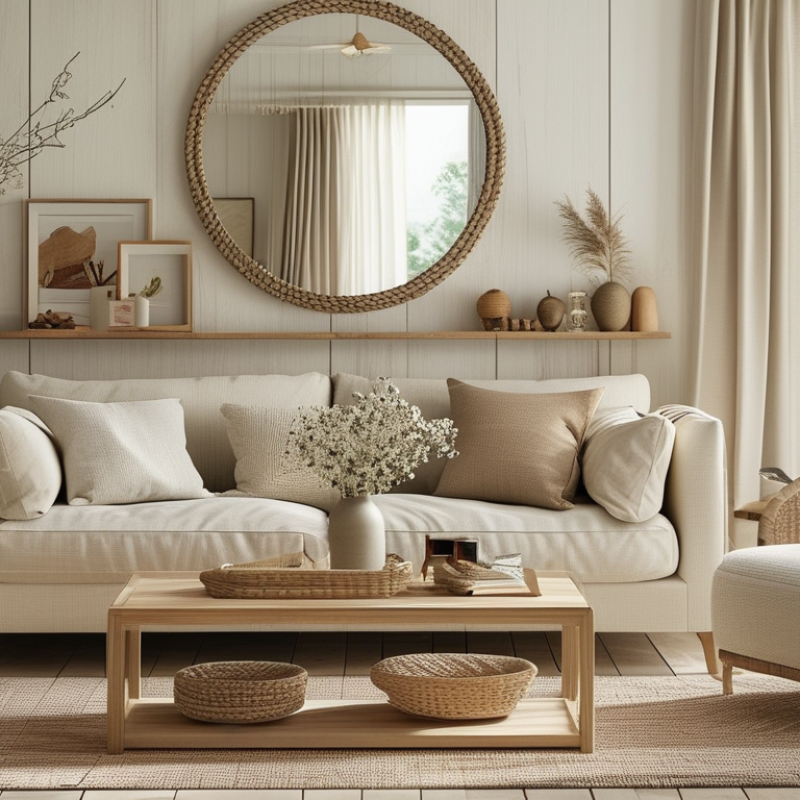
When it comes to small spaces, how you arrange decor can significantly impact their perception. Research shows that organized spaces can enhance feelings of spaciousness. According to a study by the National Association of Realtors, effective spatial arrangement can make areas appear 20% larger. Understanding this can help in optimizing any small area.
Start by choosing versatile decor items. Items that serve double duty, like a stylish ottoman that provides storage, help reduce clutter. Use mirrors strategically. They reflect light, giving an illusion of depth. Additionally, select a color palette that creates harmony, enhancing visual flow. Light colors can make walls recede, emphasizing height and openness.
Placing decor in groups can bring life to a room. Try clustering smaller items on a shelf for impact. Leaving some empty space around them prevents a crowded feel. Remember, balance is key. Too many items can overwhelm the senses. Assess your arrangements regularly. It’s crucial to adapt decor choices based on actual space usage and flow. Small adjustments can lead to big changes.
Creating a minimalist aesthetic requires careful selection of decor items. Choose pieces that tell a story. For example, a single handcrafted vase can become a focal point. The simplicity draws the eye, allowing it to shine without distraction. Too many items can clutter the space, detracting from the overall design. Aim for a few meaningful pieces rather than a collection of trinkets.
Colors play a significant role. Soft, neutral tones create a sense of calm. A muted palette can make a small area feel larger. A stark contrast might be striking but can also feel overwhelming. Balance is essential. Consider the scale of each item. Large objects might dominate a small room, making it feel constricted. Yet, too tiny pieces can get lost in the layout. Overloading a space is easy, but sometimes less really is more.
Remember, it's okay if the decor doesn't feel complete. Spaces evolve over time. As you add or remove items, new opportunities arise. Regularly reassess your decor choices to maintain that minimalist vision. Embrace imperfections. Let the space reflect your journey, imperfections and all. Each piece should resonate with you, fostering a connection that makes the space feel truly yours.
| Tip Number | Tip | Description | Ideal Decor Item |
|---|---|---|---|
| 1 | Use Mirrors | Mirrors reflect light and create an illusion of more space. | Wall Mirrors |
| 2 | Choose Light Colors | Light colors can make a room feel larger and more open. | Pastel Decor Items |
| 3 | Keep It Simple | Select a few key pieces rather than overcrowding shelves. | Minimalist Art Pieces |
| 4 | Utilize Vertical Space | Use tall shelves to draw the eye upwards. | Tall Plant Stands |
| 5 | Incorporate Multi-Functional Items | Choose decor that serves more than one purpose. | Ottoman with Storage |
| 6 | Use Transparent Materials | Clear furniture gives the appearance of more space. | Acrylic Furniture |
| 7 | Layer Lighting | Various light sources can brighten the space and create depth. | Table Lamps |
| 8 | Decorate with Nature | Plants add life and can make a space feel more expansive. | Small Potted Plants |
| 9 | Create Focal Points | A focal point can draw attention and minimize clutter. | Statement Art Piece |
| 10 | Experiment with Scale | Mix different sizes of decor items to add visual interest. | Various Sized Vases |
Layering decorations can significantly enhance the visual space of small areas. According to a report by the National Association of Home Builders, well-arranged decor can create the illusion of more space. For small rooms, utilizing vertical space is vital. Think about hanging shelves or artwork at varying heights, which avoids a flat appearance. This technique draws the eye upward, making ceilings feel higher.
Using a mix of textures and colors also adds depth. A single textured item can catch light differently, creating a dynamic space. Pair soft fabrics with sleek surfaces. This contrast can make items pop while keeping the atmosphere inviting. A study from the American Society of Interior Designers shows that layering these elements adds complexity, which can make a room feel larger and more cohesive.
Empirical evidence suggests that personal touches matter too. Items that reflect personal stories or experiences contribute a unique character. However, it’s easy to overdo it. Avoid overcrowding which can lead to chaos rather than harmony. Cluttering can backfire, making your space feel smaller. A balanced approach to decoration, focusing on both beauty and functionality, can transform cramped quarters into visually appealing expanses.
Color and light play essential roles in making a small space feel larger. Dark colors can make a room feel closed in, while light colors create a sense of openness. Consider painting walls in soft pastel shades or using white to reflect light. This simple change can dramatically alter the perception of space. Use mirrors to bounce light around. Placing a mirror opposite a window can double the light's effect.
Natural light is your best friend. Opt for sheer curtains that allow sunlight to filter in. It adds warmth and brightness, enhancing the feeling of expansiveness. Think about layering light sources. Use floor lamps, table lamps, and recessed lighting to eliminate shadows. This layered lighting trick can make corners seem more inviting rather than confined.
Choosing decor wisely is also key. Avoid bulky furniture. Instead, select sleek items that do not overpower the space. Use open shelving to display small decor pieces. This creates visual interest while maintaining an airy feel. Remember, less is often more in small spaces. Embrace simplicity to elevate your home's sense of openness.
The following chart illustrates the importance of various design elements in creating an illusion of openness in small spaces. By utilizing color and light, you can enhance the perception of space and improve the overall ambiance.
Maximizing space efficiency through strategic furniture placement is essential in smaller environments. According to a study by the American Home Furnishings Alliance, nearly 70% of homeowners report feeling overwhelmed by clutter in small spaces. Understanding how to arrange decor items can transform cramped areas into functional retreats.
To begin, consider the layout of your furniture. Employing a circular arrangement can create a sense of flow. Use multifunctional pieces, such as ottomans that double as storage, to minimize visual clutter. Aim to leave pathways clear; research indicates that clear walkways can make a room appear 25% larger.
Experiment with height in your decor. Tall bookshelves or hanging art can draw the eye upward, which tricks the mind into perceiving more space. Layering rugs can also delineate areas effectively without overwhelming a room. Balancing large items with small decorative pieces can create an inviting aesthetic while keeping the area from feeling too tight. The right placement can enhance functionality, making even a small room feel more spacious.
: Arranging decor thoughtfully can make areas seem 20% larger. Use versatile items and mirrors to reflect light.
Choose decor that serves multiple purposes. An ottoman with storage can reduce clutter effectively.
Light, neutral tones enhance openness. Select a muted palette to create calm and spaciousness.
Balance prevents overwhelming sensations. Too many items can clutter space and detract from design.
Layering creates the illusion of depth. Use vertical space with shelves and artwork at varying heights.
Yes, personal touches add character. However, too many can create chaos. Keep it balanced.
No, spaces evolve. Regularly reassess items to maintain a minimalist vision and embrace imperfections.
Avoid overcrowding. Cluttering can backfire and make your space feel even smaller than it is.
Assess arrangements regularly based on usage. Small adjustments may lead to significant improvements in perception.
Often, yes. Fewer meaningful pieces can have a stronger impact than a collection of trinkets.
In "10 Tips to Arrange Small Decor Items to Create Bigger Spaces," the article emphasizes how critical space arrangement is in small areas. It begins by discussing the importance of selecting decor items that embrace a minimalist aesthetic, allowing for a more open feel. Techniques for layering decorations are explored, demonstrating how to use objects of varying heights and sizes to create depth, thus enhancing the visual space.
Additionally, the article highlights the strategic use of color and light to create the illusion of openness, suggesting light colors and reflective surfaces. Finally, it addresses the optimal placement of furniture to maximize space efficiency, ensuring that even the smallest areas can feel larger and more inviting. Overall, the article serves as a comprehensive guide on how to arrange small decor items to make a space look bigger, providing practical tips to transform any compact area into a more spacious environment.

Dehua Decor