Luxury home decor is not defined by a famous label or a large receipt. It is the balance of lasting materials, thoughtful design, and everyday comfort. A well-made linen cushion, a solid-wood side table, or one carefully chosen lamp can change how a room feels. The market is substantial: Grand View Research estimated the global home décor market at USD 681.3 billion in 2022, with projected growth through 2030. That figure describes a broad category, not a promise that expensive pieces deliver better quality. Look closely.
Household spending offers another useful perspective. Houzz’s 2024 U.S. Houzz & Home Study reported a median renovation spend of USD 24,000 in 2023. Renovation budgets are not decor budgets, but the finding shows why prioritizing purchases matters. A restrained plan can reserve money for a durable sofa while using affordable art, lighting, or textiles to add character. Check fabric composition, joinery, care instructions, and return policies before buying. Compare dimensions with your room; a beautiful chair can still overwhelm a narrow corner. How to choose luxury home decor at reasonable prices begins with clear priorities, not chasing every trend. Some choices will still disappoint. That is worth admitting. Read independent reviews, inspect samples when possible, and judge value by comfort, construction, and how well each piece fits your home—not by price alone.
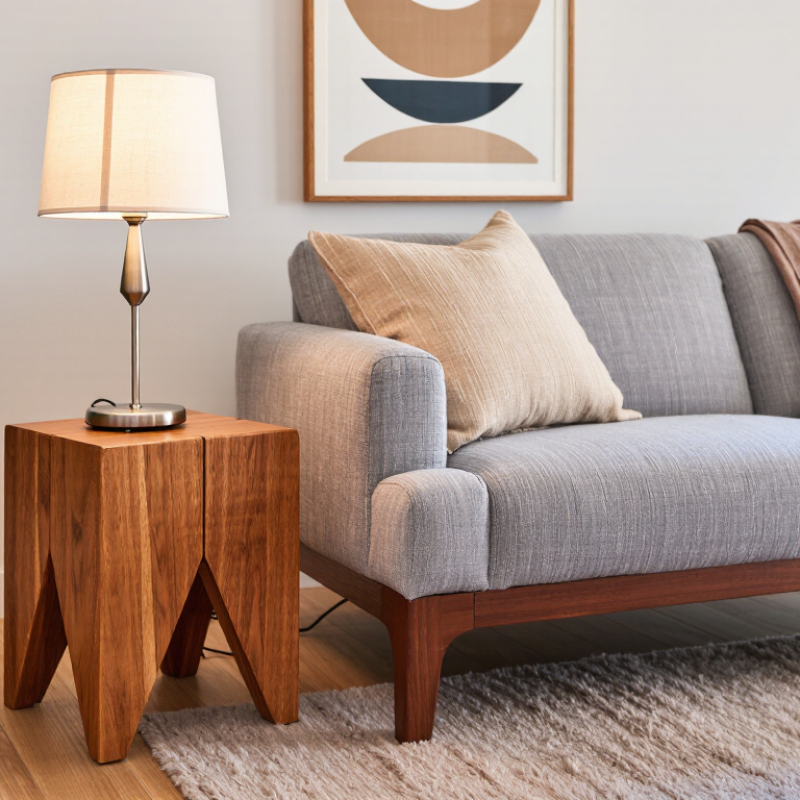
Defining Luxury Home Decor at Reasonable Prices
Luxury home decor at reasonable prices means paying for lasting design, not a prestigious label.
Think of a solid oak side table, a well-lined curtain, or a ceramic lamp with a warm, even glow. These pieces feel considered because their materials, proportions, and finishes work together. In practice, durability matters as much as appearance: inspect drawer joints, fabric rub ratings, and the way a finish handles daily cleaning. A low price can still be poor value if an item needs replacing quickly. I have to admit, beautiful styling can distract from weak construction.
The 2024 U.S. Houzz & Home Study reported median renovation spending of $24,000 in 2023. That figure covers renovation projects, not decor alone, but it shows why homeowners often prioritize purchases carefully.
Reasonable luxury follows the same logic: spend more on pieces used every day, then save on accents that are easy to change. A sturdy dining chair may justify its cost; a small seasonal vase probably does not.
Set a budget by room, compare materials, and check dimensions before buying. Measure twice. Even careful plans miss something sometimes. A finish may look different in evening light, so order a sample when possible. When a room feels polished without relying on costly labels, the value is visible in daily use.
How Materials and Craftsmanship Shape Value
Luxury home decor can feel attainable when its price reflects materials and labor, not a name. A solid hardwood side table should have stable legs, clean joints, and grain that looks consistent across its surfaces. Run a hand along the underside. Rough edges or uneven seams can point to rushed finishing. Small details matter.
Craftsmanship also affects how a piece ages. Tightly woven linen tends to hold its shape better than loose, thin fabric, while removable covers make routine cleaning easier. A well-applied finish can protect wood from minor spills, though it cannot make the surface damage-proof. No material is maintenance-free. That part is easy to forget when a room looks polished in a photograph.
To judge value, compare construction details alongside appearance. Check drawer movement, cushion support, seam placement, and whether replacement parts or care instructions are available. A lower price can be reasonable if the design is simpler and the materials are honestly described. I sometimes catch myself admiring a smooth finish before checking what lies beneath it. A close look at joints and fabric backing often changes that first impression.
Why Choose Luxury Home Decor at Reasonable Prices?
How Materials and Craftsmanship Shape Value
Hard maple and red oak resist denting better than walnut and cherry, which can help furniture withstand everyday use. Janka hardness is only one measure of material performance; thoughtful joinery and a durable finish also contribute to long-term value. Values are typical published ratings and can vary by species and test conditions.
Source: The Wood Database, Janka hardness ratings (lbf).
The Practical Benefits of Affordable Luxury Decor
Affordable luxury decor makes a room feel considered without requiring every item to be expensive. A textured cushion, a softly reflective lamp, or curtains that reach the floor can add polish. Small choices matter. Pairing one standout piece with simple furniture often looks more balanced than filling a room with costly accents.
Reasonable prices also make it easier to update a space gradually. You can try a new color or swap a table lamp without committing to a full redesign. Choose pieces that are easy to clean and sturdy enough for daily use; attractive materials still need practical care. Some budget finishes may show wear sooner than expected, and that can be disappointing. Check seams, drawer movement, and fabric feel before buying, rather than relying on appearance alone. Measure the room, too. A beautiful chair that blocks a walkway is not a useful bargain.
Why Choose Luxury Home Decor at Reasonable Prices? – The Practical Benefits of Affordable Luxury Decor
| Decor Item |
Affordable Luxury Option |
Typical U.S. Price Range |
Practical Benefit |
What to Check Before Buying |
| Area rug (approximately 5 × 8 ft) |
Wool or wool-blend rug with a durable woven construction |
$250–$900 |
Adds warmth and texture while helping define a seating or dining area. |
Confirm exact dimensions, fiber content, backing, and cleaning instructions. |
| Pair of curtains |
Linen or linen-blend panels with a lined option |
$80–$250 |
Provides a polished window treatment and can improve light control when lined. |
Check panel width, finished length, lining, and whether hardware is included. |
| Table lamp |
Ceramic or metal base with a replaceable shade |
$90–$300 |
Adds layered lighting and functions as a decorative accent. |
Check lamp height, bulb compatibility, switch type, and safety certification. |
| Side table |
Solid-wood table with a simple, repairable finish |
$180–$600 |
Combines everyday surface space with a natural material that suits many interiors. |
Verify the wood type, dimensions, joinery, and care requirements. |
| Decorative cushion cover |
Cotton velvet, linen, or a textured natural-fiber blend |
$35–$100 |
Refreshes a room’s color and texture without replacing larger furniture. |
Check cover dimensions, insert fit, closure type, and washing instructions. |
| Framed wall art (approximately 18 × 24 in) |
Quality art print in a ready-made frame |
$50–$250 |
Creates a focal point at a lower cost than commissioning original artwork. |
Review print and frame dimensions, glazing, hanging hardware, and return terms. |
|
Price ranges are approximate examples of typical U.S. retail pricing and can vary by size, materials, construction, and seller. Compare product specifications and care requirements before purchasing.
|
Ways to Balance Design Quality and Cost
Luxury interiors do not require a room full of expensive pieces. The goal is to choose materials and shapes that feel considered, not merely costly. Put more of the budget toward items used every day, such as a sofa, dining chairs, or bedside lamps. A sturdy frame, tight upholstery seams, and replaceable cushion covers can matter more than a fashionable label. That matters. Spend less on accents that are easy to change, such as cushions, small trays, and seasonal artwork. This contrast gives a room polish without locking every dollar into one look.
Before buying, measure the room and mark furniture footprints with painter’s tape. Take home fabric or paint samples, then check them beside a window in morning and evening light. Read cleaning instructions and warranty terms; delicate fabric may cost more to maintain than expected. A small side table can look elegant, but a wobbly one quickly feels like a false economy. It is easy to overbuy accessories when a room still feels unfinished. Keep receipts. Not every carefully planned choice works, so live with a layout for a few days before ordering more.
How to Evaluate Price, Durability, and Style
Why Choose Luxury Home Decor at Reasonable Prices?
Luxury at a reasonable price means weighing more than the sticker. Compare the full cost: delivery, assembly, care, and likely replacement. The 2024 Houzz & Home Study reported median U.S. renovation spending of $24,000 in 2023. That is a renovation benchmark, not a decor budget, but it shows why planned spending matters. Set a firm limit, then compare similar pieces by materials and construction.
Durability deserves a close look. Check that drawers slide evenly, joints feel firm, and upholstery has clear care instructions. Ask what a warranty covers; a long term does not guarantee easy repairs.
The U.S. Environmental Protection Agency reported that 12.1 million tons of furniture and furnishings entered the municipal waste stream in 2018, with about 80.1% landfilled. A piece that lasts can reduce replacement waste.
Still, “built to last” is not enough if the scale overwhelms your room. Test finishes and fabric samples beside your floor and window; daylight can change their appearance.
Tips: Measure doorways and room clearances before ordering. Photograph samples in morning and evening light. Leave one day before buying; impulse often wins.
A common blind spot is paying for a polished look while overlooking repair options. Ask about replaceable cushions, available parts, and cleaning requirements. Style should suit daily life, not just the showroom.
Conclusion
Luxury home decor at reasonable prices brings together the refined look, thoughtful design, and lasting quality associated with high-end interiors without requiring an extravagant budget. Its value comes from more than appearance: durable materials, careful construction, and practical details can help furnishings and accents remain attractive and useful over time. Choosing affordable luxury also makes it easier to create a comfortable, polished home while reserving money for other priorities.
How to choose luxury home decor at reasonable prices starts with balancing style, quality, and cost. Compare materials and workmanship, consider how well an item will suit everyday use, and assess durability rather than relying on price or appearance alone. Focus on versatile pieces that complement your space and personal taste, and look for designs that offer lasting appeal. With a clear budget and thoughtful evaluation, you can create an elegant, welcoming interior that feels special and remains practical.

 Dehua Decor