Why Choose Bohemian Decor Without Cluttering Your Space?

Time:2026-10-25 Author:Ethan
0%

Bohemian decor attracts people who want warmth, creativity, and a home with personality. Woven baskets, patterned cushions, vintage pottery, and leafy plants can make a room feel collected rather than copied. Yet freedom without structure can quickly become visual noise. A crowded shelf may hide the objects you truly love, while too many patterns can make a small room feel restless.

How to choose bohemian decor without cluttering the space begins with intentional selection. Experienced interior designers often recommend choosing one dominant color, then adding two supporting shades. For example, terracotta, cream, and muted olive can connect a rug, curtain, and ceramic vase. Leave breathing room between larger pieces. A rattan chair needs space around it to look graceful, not accidental. Use baskets for blankets, but avoid filling every empty corner. Empty space matters.

Less can feel richer.

Reliable design advice also emphasizes function. Before buying a decorative object, ask where it will live and how often you will use it. Choose handmade pieces with visible texture, but check their quality, scale, and durability. Natural materials age beautifully, although they still need care. I sometimes keep an item because it feels charming, then realize it competes with everything nearby. That is a useful mistake, not a failure. Remove one object and observe the room again. Bohemian style works best when it reflects real experiences, travels, craft, and comfort—not a hurried display of trends.
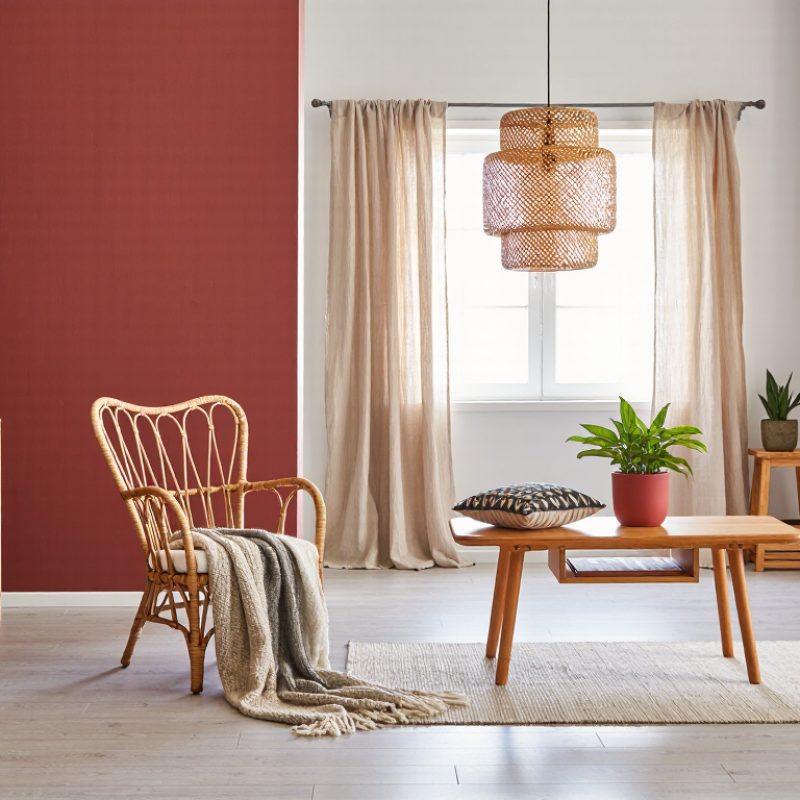
Why Choose Bohemian Decor Without Cluttering Your Space?

Define Bohemian Style Through 1stDibs’ 2024 Designer Survey

Bohemian style is often mistaken for visual excess. The 2024 designer survey presents a more careful interpretation: personality matters more than quantity. Designers connect bohemian interiors with layered textures, handmade objects, natural materials, and collected pieces. The room should feel lived in, not staged.

A useful starting point is one strong textile. Try a faded kilim under a low wooden table, then add a linen chair and a woven basket. Keep the palette grounded with clay, sand, olive, or warm brown. These colors create space for patterned cushions without making the room noisy.

Leave some walls and tabletops visible. Empty space gives meaningful objects room to breathe.

In my experience, bohemian rooms work best when every layer has a reason. A ceramic bowl from a local maker can sit beside a weathered lamp. A trailing plant may soften a sharp shelf. Avoid matching everything too neatly; that can remove the style’s relaxed character. Still, too many unrelated objects create confusion. I have made that mistake myself. The room looked expressive, but it became difficult to rest in. The survey’s emphasis on individual expression is valuable, yet it needs editing. Choose pieces that show memory, craft, or usefulness, then remove one item before the room feels complete.

Use Houzz 2024 Data to Separate Layering from Visual Clutter

Bohemian decor works best when it feels collected, not crowded. The 2024 Houzz data reflects a growing preference for personalized homes, yet personalization does not require every object to stay visible. Layering creates depth through texture, color, and scale. Clutter removes breathing space.

Try a woven rug beneath a smaller patterned rug. Add one linen throw to a deep chair, then place three ceramic vessels on a nearby shelf. Keep the largest piece at eye level. Leave a few surfaces partly empty. That pause matters. It gives the eye somewhere to rest.

Professional designers often edit a room from the doorway first. I use this method because small details can look charming up close but chaotic from across the room. The data suggests that homeowners value character and comfort, but it does not prove that more decoration creates better living. That distinction deserves attention.

Choose warm clay, faded rust, or muted olive as connecting colors. Repeat each shade twice, not everywhere. Mix rough jute with smooth wood and soft cotton. Avoid placing similar objects in tight groups unless their heights clearly vary. One mistake is common: adding storage baskets without removing anything. They may hide clutter, but they can also become clutter themselves. A bohemian room should show a life, not display every part of it.

Why Choose Bohemian Decor Without Cluttering Your Space? - Use Houzz 2024 Data to Separate Layering from Visual Clutter

Design Dimension Layered Bohemian Signal Visual-Clutter Warning Practical Audit Measure Recommended Action
Color palette 2–3 dominant colors with warm neutrals as visual rest More than 5 unrelated accent colors competing at the same visual intensity Count dominant colors visible from the room entrance Choose one base color, one earthy supporting color, and one controlled accent.
Pattern mixing Different patterns vary in scale and share at least one color Several large, high-contrast patterns placed next to one another Classify each pattern as small, medium, or large scale Use one dominant pattern, one secondary pattern, and quieter solids to connect them.
Textile layering Texture is added through rugs, cushions, throws, and natural fibers Every surface is covered, leaving no clear visual pause Identify covered versus intentionally open surfaces Keep at least one major surface visually quiet, such as an open floor area or uncluttered sofa.
Decorative objects Objects are grouped by height, material, or function Small items are scattered without grouping or hierarchy Score each display: 0 = scattered, 1 = partly grouped, 2 = clearly composed Create clusters of three to five related pieces and remove items that do not support the composition.
Negative space Open areas frame the collected elements Furniture and accessories fill corners, pathways, and sightlines Check whether walking routes and key sightlines remain clear Protect circulation space and leave a clear wall, tabletop, or floor zone for visual breathing room.
Furniture density Furniture supports conversation, comfort, and flexible use Additional pieces reduce movement or duplicate the same function List the function of every large furniture item Remove or relocate pieces that block pathways or repeat an existing function.
Material balance Natural materials such as wood, rattan, cotton, wool, and clay create tactile variety Too many unrelated finishes make the room feel visually noisy Group materials into natural, textile, ceramic, and metal categories Repeat two or three material families instead of introducing a new finish for every object.
Wall decoration Artwork and woven pieces form a deliberate focal arrangement Multiple focal points compete across every wall Identify the single strongest focal wall or viewing direction Concentrate visual interest in one main gallery or feature wall and keep adjacent walls quieter.
Storage visibility Open storage displays selected objects while concealed storage handles everyday items Daily-use items remain visible on multiple surfaces Separate display items from functional items during a room reset Use baskets, cabinets, and drawers for routine items; reserve open shelves for curated pieces.
Editing frequency Collections evolve through seasonal rotation and intentional editing New objects are added without removing older or redundant pieces Review accessories whenever a new item enters the room Apply a “one in, one out” rule to small decor and rotate collections instead of displaying everything at once.
How to read the table: Houzz’s 2024 home-design reporting highlights the importance of personalization, function, storage, and livable spaces. The audit measures above translate those priorities into practical room-level checks; they are design guidelines rather than unsupported survey percentages.

Build a 60–30–10 Palette for Controlled Bohemian Color

Bohemian decor feels warm because it layers texture, pattern, and personal objects. Yet abundance can quickly become visual noise. A 60–30–10 palette keeps that freedom focused. It gives each color a clear responsibility.

Use 60 percent for the dominant base, such as warm ivory walls, a sand-colored sofa, or a faded natural rug. This larger field lets woven baskets, linen curtains, and carved wood breathe. Keep it quiet. Choose 30 percent for a supporting color, perhaps terracotta, olive, or muted indigo. Place it through cushions, a throw, dining chairs, or one painted cabinet. Repeating this color across the room creates rhythm without making every item match.

Reserve 10 percent for sharper accents. A saffron vase, rust-red artwork, or turquoise ceramic bowl can provide that spark. Place accents in small groups, then leave nearby space empty. Let texture work. In my own room planning, I once used too many accent colors and lost the calm atmosphere. The mistake was useful: beautiful objects still compete when their visual weight is equal. A 60–30–10 structure is a guide, not a strict rule. Natural light may soften beige, while evening bulbs can intensify red and orange. Test fabric and paint samples at different times. Also, allow one imperfect detail, such as a worn stool or uneven handmade pot. Controlled bohemian style should feel lived in, not carefully manufactured.

Why Choose Bohemian Decor Without Cluttering Your Space?

A 60–30–10 palette keeps Bohemian interiors expressive but visually controlled: use 60% for the dominant base, 30% for supporting colors and textures, and 10% for bold accents.

The 60% base can include walls, large rugs, and major upholstery. The 30% secondary layer works well for curtains, cushions, wood tones, and woven textiles. Reserve the final 10% for distinctive accents such as patterned ceramics, art, or colorful accessories.

Choose Durable, Low-Waste Pieces Using EPA Furniture Data

Why Choose Bohemian Decor Without Cluttering Your Space?

Bohemian style can feel warm without filling every corner. Choose fewer pieces with visible texture, such as a woven chair, a solid wood stool, or a repaired rattan cabinet. EPA municipal solid waste reports track furniture and furnishings through disposal and recovery data. That information matters because discarded furniture consumes materials, transport energy, and valuable space in waste facilities.

Use the data as a decision-making guide, not a product guarantee. EPA reports describe waste patterns across furniture categories, but they do not certify a specific table’s durability. Inspect joinery, frame stability, fabric density, and repair access before buying. A chair that survives daily use creates less waste than a fashionable replacement bought every year. Look for replaceable covers, standard hardware, and finishes that can be maintained safely.

Buy slowly. Measure first.

A secondhand piece may already carry scratches, uneven color, or a loose drawer. Those flaws are not always failures. They can reveal honest wear and make repair practical. Still, I would not romanticize every old item; hidden moisture damage can become expensive and unhealthy. Ask about its history, clean it appropriately, and avoid pieces that cannot be safely restored. One well-chosen cabinet, paired with open floor space, often communicates more than a crowded collection of decorative objects. This approach keeps the room expressive while reducing unnecessary purchasing and disposal.

Audit Room Density with Professional Interior Design Guidelines

Bohemian style works best when density is measured, not guessed. Start with a scaled floor plan and mark doors, windows, vents, and daily walking routes. Professional kitchen-planning guidance recommends about 36 inches for a comfortable passageway. I apply a similar clearance to living areas, even when the room is not a kitchen. In a 12-square-meter room, one low sofa, one rug, and two movable tables may feel richer than six decorative pieces.

Audit every object by function, visual weight, and maintenance. Keep the central route open. Group baskets, pottery, and textiles into three-height clusters, then leave nearby wall space quiet. The Environmental Protection Agency reports that indoor pollutant levels may be two to five times higher than outdoor levels, so excessive fabric and blocked ventilation deserve attention. Dust is part of the design equation.

I also check breathing space around furniture. A 75-centimeter gap beside a chair can support movement without weakening the relaxed mood. Natural materials, uneven patterns, and handmade imperfections add character, but repeated textures can quickly become visual noise. The 2024 Houzz & Home Study shows that homeowners continue investing in personalized improvements, yet personalization does not require maximum quantity. My own audits are not flawless; I sometimes protect a beautiful object longer than its usefulness. Remove one item, live with the room for a week, and reassess the evidence.

FAQS

What defines a thoughtful bohemian interior?

It combines layered textures, handmade objects, natural materials, and collected pieces. Personality matters more than quantity. The room should feel lived in, not staged.

How can I start creating this style?

Begin with one strong textile, such as a faded kilim. Add a low wooden table, linen chair, and woven basket. Keep the first step simple.

Which colors work well in a bohemian room?

Clay, sand, olive, and warm brown create a grounded palette. They support patterned cushions without making the room feel noisy. Leave some surfaces quiet.

How much decoration is enough?

Choose objects with memory, craft, or practical value. A ceramic bowl can sit beside a weathered lamp. Remove one item before the room feels complete.

How can I prevent a small room from feeling crowded?

Draw a scaled floor plan before buying furniture. Mark doors, windows, vents, and walking routes. In a 12-square-meter room, one low sofa and two movable tables may be enough.

What spacing helps a relaxed room remain practical?

Keep the main walking route open. About 36 inches can provide a comfortable passage. A 75-centimeter gap beside a chair may also support easier movement.

Can too many fabrics affect comfort?

Yes, excessive textiles can collect dust and block ventilation. Indoor air may contain more pollutants than outdoor air. Natural materials still need regular cleaning.

How do I know when the room needs editing?

Group baskets, pottery, and textiles into three-height clusters. Keep nearby wall space quiet. I sometimes protect a beautiful object too long; living with less can reveal what matters.

Conclusion

This guide explains How to choose bohemian decor without cluttering the space by balancing creativity with structure. It defines modern bohemian style through findings from a 2024 designer survey, highlighting natural textures, personal collections, relaxed forms, and meaningful handcrafted details. It also uses recent home-design data to distinguish intentional layering from visual clutter, showing how repetition, spacing, and varied scale can make an eclectic room feel cohesive.

A practical 60–30–10 color palette helps control bold tones while preserving the warmth and individuality associated with bohemian interiors. The guide also recommends durable, low-waste furniture and decor choices, using environmental furniture data to encourage thoughtful purchasing and longer product life. Finally, professional interior-design principles provide a room-density audit, helping readers assess circulation, surface coverage, focal points, and unused objects. The result is a comfortable, expressive space that feels collected and welcoming rather than crowded or disorganized.

Ethan

Ethan

Ethan is a seasoned marketing professional with a deep expertise in our company's innovative product line. With a passion for sharing knowledge and insights, he takes the lead in regularly updating our corporate blog, where he explores industry trends, product features, and effective marketing......