Why Is Lighting Important for Home Decor?

Time:2026-09-27 Author:Isabella
0%

Why Is Lighting Important for Home Decor? The answer begins with what light does to a room. It shapes color, texture, mood, and the way people use each space. A warm lamp can soften a painted wall; a focused beam can bring out the grain in a wooden table. Small changes matter.

The U.S. Department of Energy reports that ENERGY STAR-certified LED bulbs use up to 90% less energy and last up to 25 times longer than traditional incandescent bulbs. That guidance is practical, though energy savings alone cannot make a room feel inviting. Design still depends on placement, brightness, and the colors surrounding each fixture.

Lighting designer Randall Whitehead has described lighting as “the magic ingredient that makes or breaks a space.” His phrase captures a useful idea: lighting should support the room, not simply fill it with brightness. A layered plan can combine ambient light, task lighting, and accents. Think of a ceiling fixture, a reading lamp beside an armchair, and a gentle wash across a textured wall.

How to use lighting to enhance home decor effects is therefore a question of balance, not buying more fixtures. Test light at different times of day. Notice how a shade changes the wall color after sunset. And be honest: even a carefully planned scheme may need adjusting once furniture is in place.
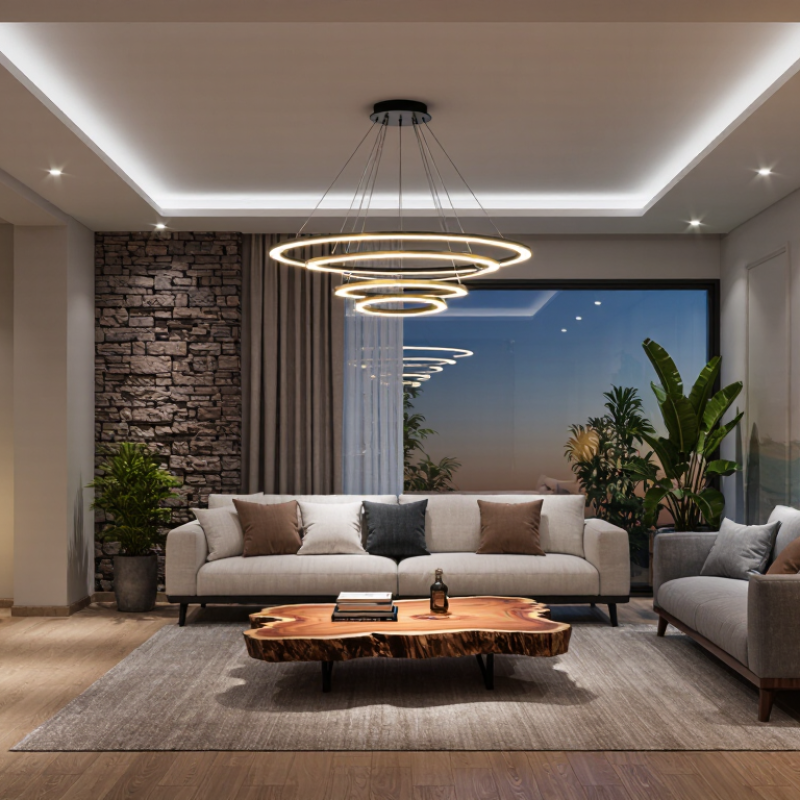
Why Is Lighting Important for Home Decor?

The Role of Lighting in Home Decor

Lighting shapes how a home feels and functions. A warm table lamp can soften a reading corner, while a focused pendant helps make meal preparation easier. Layer ambient, task, and accent lighting to give each room flexibility. The U.S. Department of Energy reports that residential LEDs use at least 75% less energy and last up to 25 times longer than incandescent lighting. Efficiency matters, but placement matters too: a bright ceiling fixture alone can leave faces shadowed and corners flat. I have found that testing lamps after sunset often reveals problems daylight hides.

Tips: Put task lights near the activity, not merely in the room. Try a shaded lamp beside a chair, or under-cabinet lighting over a counter. Use dimmers where practical, and check bulb color against wall paint before buying several. Small differences show.

Lighting choices are also personal, and a room can look polished in photographs yet feel harsh at night. Combine light sources at different heights, then adjust their brightness for the room’s actual use. A low lamp beside a sofa may feel more inviting than another ceiling fixture. Still, too many bulbs can create glare; edit the arrangement as you live with it.

How Lighting Shapes Mood, Function, and Visual Comfort

Lighting changes how a room feels before you notice the furniture. Warm, low light can make a living room feel calm at night, while cooler, brighter light helps reveal details at a desk or kitchen counter. I’ve found that one ceiling fixture rarely suits every moment. It can leave corners gloomy and make a cozy room feel strangely flat.

Good lighting also supports daily tasks and visual comfort. A focused lamp near a reading chair can reduce squinting, while softer background light eases the contrast between a bright screen and a dark room. Glare matters, too. A bare bulb reflected in a television or polished table can be distracting. Still, lighting choices are personal, and a setup that feels restful to one person may seem dim to another. That part takes some adjusting.

Tips: Layer overhead, task, and accent lights where practical. Try a shaded lamp beside your favorite chair, and move it if the page still feels shadowy. Use dimmers when available. Test bulbs in the room before settling on a color; wall paint and daylight can change how they appear.

Why Is Lighting Important for Home Decor?

Typical illuminance ranges for common home activities. Appropriate levels vary with room design, personal needs, and the specific task.

How to read this: The bars show typical illuminance ranges in lux at the task or surface. Layering general and task lighting can help balance comfort, visibility, and the room’s atmosphere.

Main Types of Lighting for Different Home Spaces

Why Is Lighting Important for Home Decor?

Main Types of Lighting for Different Home Spaces

Good lighting helps a room feel comfortable and makes everyday tasks easier. Most homes benefit from three types: ambient, task, and accent lighting. Ambient light provides general illumination, often through ceiling fixtures or several lamps. Task lighting focuses on specific activities. Accent lighting draws attention to details, such as artwork or a textured wall. The balance matters. A bright ceiling light alone can make a room feel flat.

In a kitchen, combine broad ceiling light with task lighting beneath cabinets, where shadows can hide knife edges and food labels. In a living room, table or floor lamps create softer pools of light for reading and conversation. Aimed accent lights can highlight shelves, but too many may feel distracting. Bedrooms usually need gentle ambient light and a focused bedside lamp. A dimmer can help adjust brightness, though it is not essential.

Bathrooms need clear, even light near the mirror for shaving or applying makeup. Avoid relying on a single overhead fixture, which can cast shadows across the face. Hallways and stairs need steady illumination so edges remain visible, especially at night. Small night-lights can help without flooding nearby rooms with brightness.

I have found that lighting plans often look better on paper than in daily use; a lamp may land in the wrong spot, or a bulb may feel harsher than expected. Test the arrangement at different times of day.

Key Principles for Planning Effective Home Lighting

Effective home lighting starts with the room’s purpose, not the fixture. In a kitchen, plan bright, even light for safe food preparation, then add focused task lighting over counters. A pendant may look attractive above an island, but it should not cast a hard shadow where someone chops vegetables. In a living room, combine general light with reading lamps and softer accent lighting. Layers give you options as daylight changes.

Check the plan at different times of day. Stand where you read, cook, or work, and notice glare on screens and shadows on the floor. Small details matter. Choose bulbs with a comfortable color tone, and keep similar tones together in connected spaces to avoid a patchwork effect. Dimmers can help, but only when the bulbs and controls are compatible. Measure rooms and note ceiling height before choosing fixture size; a low ceiling changes what works. I once underestimated a dark corner in a hallway, and one ceiling fixture did not solve it. A portable lamp helped reveal the better placement. Test, adjust, and accept that the first arrangement may not be right.

Why Is Lighting Important for Home Decor? — Key Principles for Planning Effective Home Lighting

Planning Principle Why It Matters Practical Guideline Example Application
Layer the lighting Combining general, task, and accent light makes a room more useful and visually balanced. Use ambient light for overall visibility, task light for focused activities, and accent light to highlight selected features. In a living room, combine ceiling lighting, a reading lamp, and a fixture aimed at artwork.
Match light to the task Appropriate lighting helps people see details comfortably during everyday activities. Place task lights close to work areas and reduce shadows or glare where possible. Use under-cabinet lighting to illuminate kitchen counters, or a desk lamp for reading and writing.
Choose a suitable color temperature Light color influences the perceived warmth and atmosphere of a space. Warm white light, around 2700–3000 K, often suits relaxing spaces; neutral or cooler light can suit focused work areas. Use warm white lamps in a bedroom and a more neutral white tone in a home office.
Consider brightness and dimming Adjustable brightness supports different activities and times of day. Select a suitable light output for the room and use compatible dimmers where flexibility is useful. Dim dining-area lighting for an evening meal, then increase brightness for cleaning or other tasks.
Make use of daylight Natural light can make rooms feel more open and can reduce the need for electric lighting during the day. Keep windows unobstructed where practical and use window coverings that allow control over glare and privacy. Position a reading chair near a window while avoiding direct glare on screens.
Control glare and shadows Glare and harsh shadows can make a room uncomfortable and reduce visibility. Use diffused shades, thoughtful fixture placement, and more than one light source in areas where shadows are a concern. Place bathroom lighting to provide even illumination around the mirror rather than relying only on a ceiling fixture.
Coordinate fixtures with the decor Fixtures contribute to a room’s visual character as well as its illumination. Consider fixture scale, finish, shape, and placement in relation to furniture and the room’s style. Choose a suitably sized pendant over a dining table and coordinate its finish with other visible hardware.
Plan controls and placement Convenient controls make lighting easier to use and help prevent poorly lit areas. Place switches near entrances and plan separate controls for different lighting layers where practical. Use separate switches for a room’s main ceiling light and accent lighting.

How to Choose Lighting Fixtures and Control Energy Use

Lighting shapes how a home feels and how comfortably each room works. When I plan a room, I start with its daily activities, not its decoration. A kitchen needs clear, even light over worktops. A bedroom benefits from softer light near the bed. Layering helps: combine ceiling lighting, task lighting, and small accent fixtures. Avoid placing one bright fixture in the center of every room. It often creates harsh shadows and makes corners feel unfinished.

Choose fixtures by lumen output, beam direction, color temperature, and size. Lumens indicate brightness, while warmer color temperatures usually create a calmer atmosphere. Check the fixture’s color rendering quality before using it near artwork, food, or clothing. Energy-efficient LED lighting can reduce electricity use, but the fixture still matters. Select dimmable units only when the controls and bulbs are compatible. Otherwise, flickering may appear. Small mistakes happen.

Daylight should influence your plan. A room with strong afternoon sun may need fewer powered fixtures, especially near windows. Occupancy sensors can help in hallways, bathrooms, and storage areas. Timers also prevent lights from staying on unnecessarily. I once installed a fixture that looked elegant but directed light poorly across a desk. Replacing it improved comfort more than adding decorative pieces. Measure the room, test shadows at night, and question whether every fixture earns its energy use.

FAQS

Why is lighting important in home decor?

Lighting affects comfort, mood, and daily tasks. A bright ceiling fixture alone can make a room feel flat.

What are the three main types of home lighting?

Ambient lighting brightens the whole room. Task lighting supports activities, while accent lighting highlights artwork, shelves, or textured walls.

How should lighting be planned in a kitchen?

Combine broad ceiling light with under-cabinet lighting. Place task lights above counters to reduce shadows near knives and food labels.

What lighting works well in a living room?

Use table or floor lamps beside seating areas. A low lamp near a sofa can feel warmer than another ceiling fixture.

How can bedroom lighting feel more relaxing?

Use gentle ambient light and a focused bedside lamp. A dimmer can soften brightness before sleep.

What lighting is useful near a bathroom mirror?

Choose clear, even light around the mirror. One overhead fixture may create shadows across the face.

How can homeowners reduce glare and harsh lighting?

Layer lights at different heights and adjust their brightness. Too many bulbs can cause glare, so remove unnecessary sources.

When should lighting arrangements be tested?

Test them after sunset and during daylight. Check the space where you read, cook, or work.

What should be considered before choosing bulbs and fixtures?

Check bulb color against the wall paint. Measure room size and ceiling height before selecting a fixture.

Can an attractive lighting plan still fail?

Yes. A design may look polished in photographs but feel harsh at night. My first arrangement was not always right.

Conclusion

Lighting is one of the most influential elements in home decor because it affects how a room looks, feels, and functions. The right combination of ambient, task, and accent lighting can create a welcoming mood, support daily activities, highlight architectural details, and improve visual comfort. Soft, warm light may make living areas feel relaxed, while brighter, focused light can help kitchens, offices, and reading spaces remain practical and comfortable.

Effective planning begins with considering each room’s purpose, natural light, layout, color scheme, and furniture placement. Learning How to use lighting to enhance home decor effects can help homeowners balance beauty and usability without making a space feel overly bright or dull. Choosing fixtures that suit the room’s scale and style, placing them at useful heights, and using dimmers, timers, or efficient bulbs can further improve flexibility and reduce energy consumption. When thoughtfully planned, lighting unifies the decor and makes the entire home feel more comfortable, attractive, and functional.

Isabella

Isabella

Isabella is a dedicated marketing professional with a sharp focus on driving brand growth and engagement through strategic content creation. With an extensive background in digital marketing, she combines her passion for storytelling with her keen understanding of industry trends to deliver......