GLOBAL B2B COMPLIANCE & MANUFACTURING

China Wholesale Artistic Table Decor Factories & Factory Sourcing

An Industrial Research & Procurement White Paper on High-End Tabletop Ornament Production, Technical Roadmaps, and Global Supply Chain Integration.

INDUSTRY OVERVIEW & DATA OUTLOOK

Global Business & Industrial Landscape of Artistic Table Decor

The global market for artistic tabletop decorations and modern ornamental accents is undergoing a fundamental structural transition. Driven by surging demands in commercial hospitality, luxury real estate staging, and high-end residential interiors, table decor is no longer viewed merely as accessory items but as essential design anchors. Statistically, the global home accents and tabletop category is projected to scale to unprecedented heights, fueled by B2B distribution models connecting large-scale importers directly to specialized manufacturing centers in Asia.

Within this macro-landscape, China’s industrial clusters—particularly in regions like Dehua (ceramics), Guangdong (mirrors, glass, and complex metalworks), and Zhejiang (textiles and resin compositions)—have established an unmatched ecosystem of supply chain efficiency. These clusters leverage centralized material sourcing, advanced rapid prototyping facilities, and vertically integrated production loops to minimize lead times while ensuring compliance with stringent Western import standards (such as EN71, REACH, and ASTM). High-capacity factories are progressively adopting AI-driven demand planning and hybrid automated-handcraft lines to maintain cost competitiveness while fulfilling customized boutique production orders.

12.4%
CAGR Growth (2024-2030)
<14 Days
Rapid Prototyping Cycle
100%
Eco-Certified Materials
65+
Global Trade Footprints
MANUFACTURING PATHWAYS & QUALITY GATEWAYS

Dehua Factory Manufacturing Excellence & Material Engineering

At the heart of the modern artistic table decor sector lies an intricate fusion of art and automated engineering. Leading manufacturers like Dehua (Sangni/Bhavya Home Decor) have shifted from basic traditional hand-modeling techniques to rigorous, multi-layered processing steps. The lifecycle of an artistic item—be it an abstract resin sculpture, a copper-free float mirror, or a textured ceramic tray—requires a balance of material physics and geometric calculations.

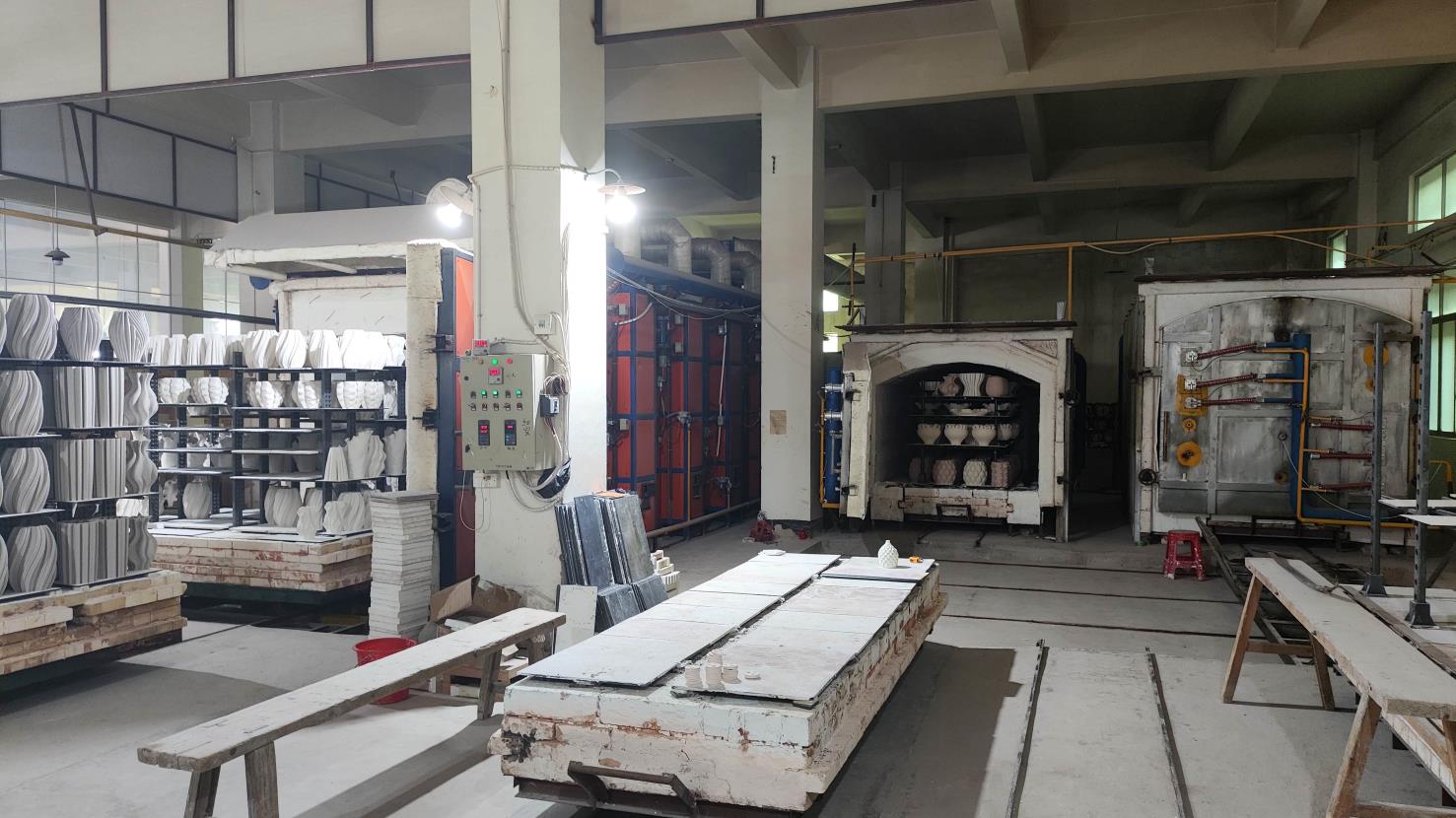
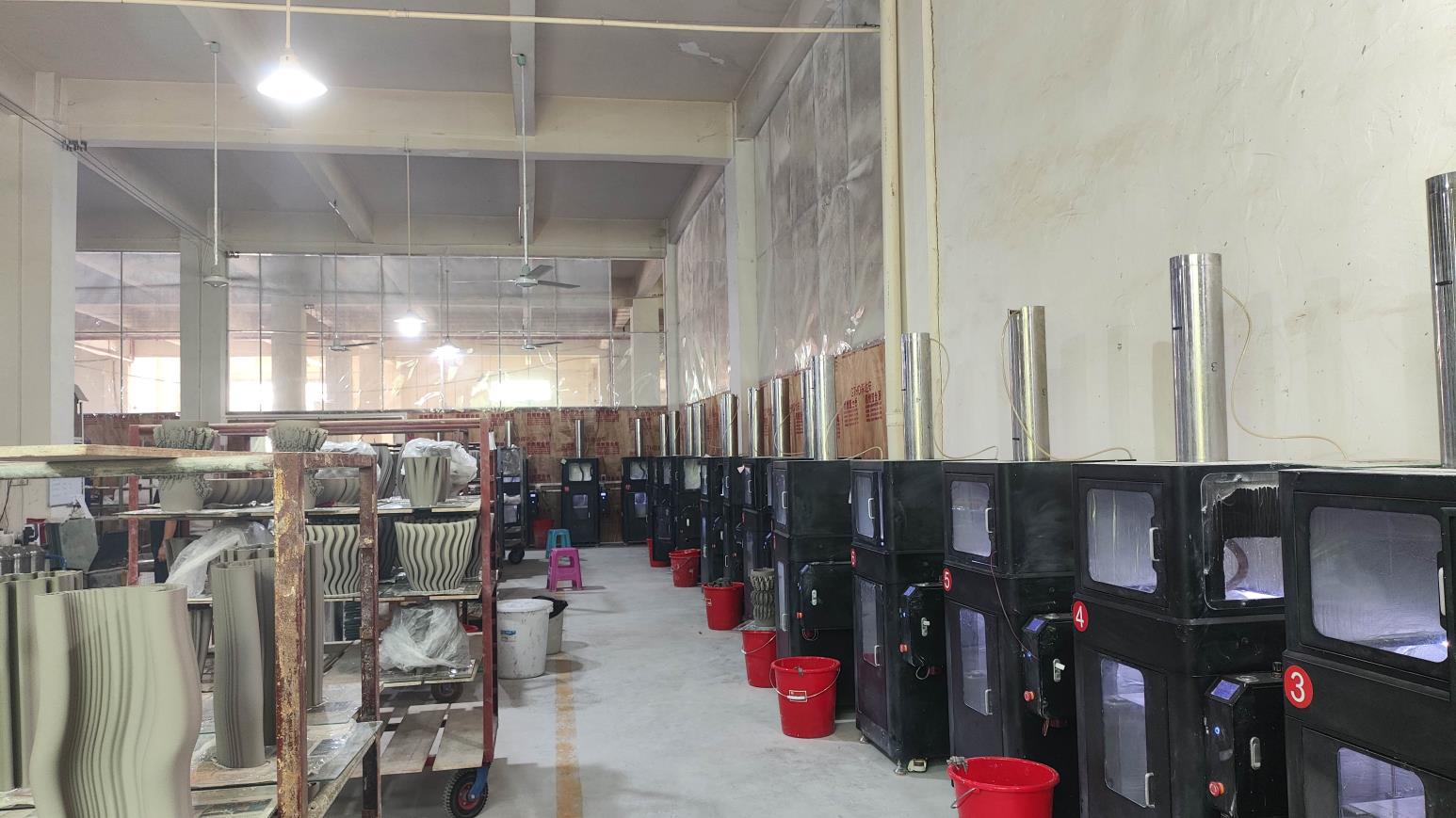
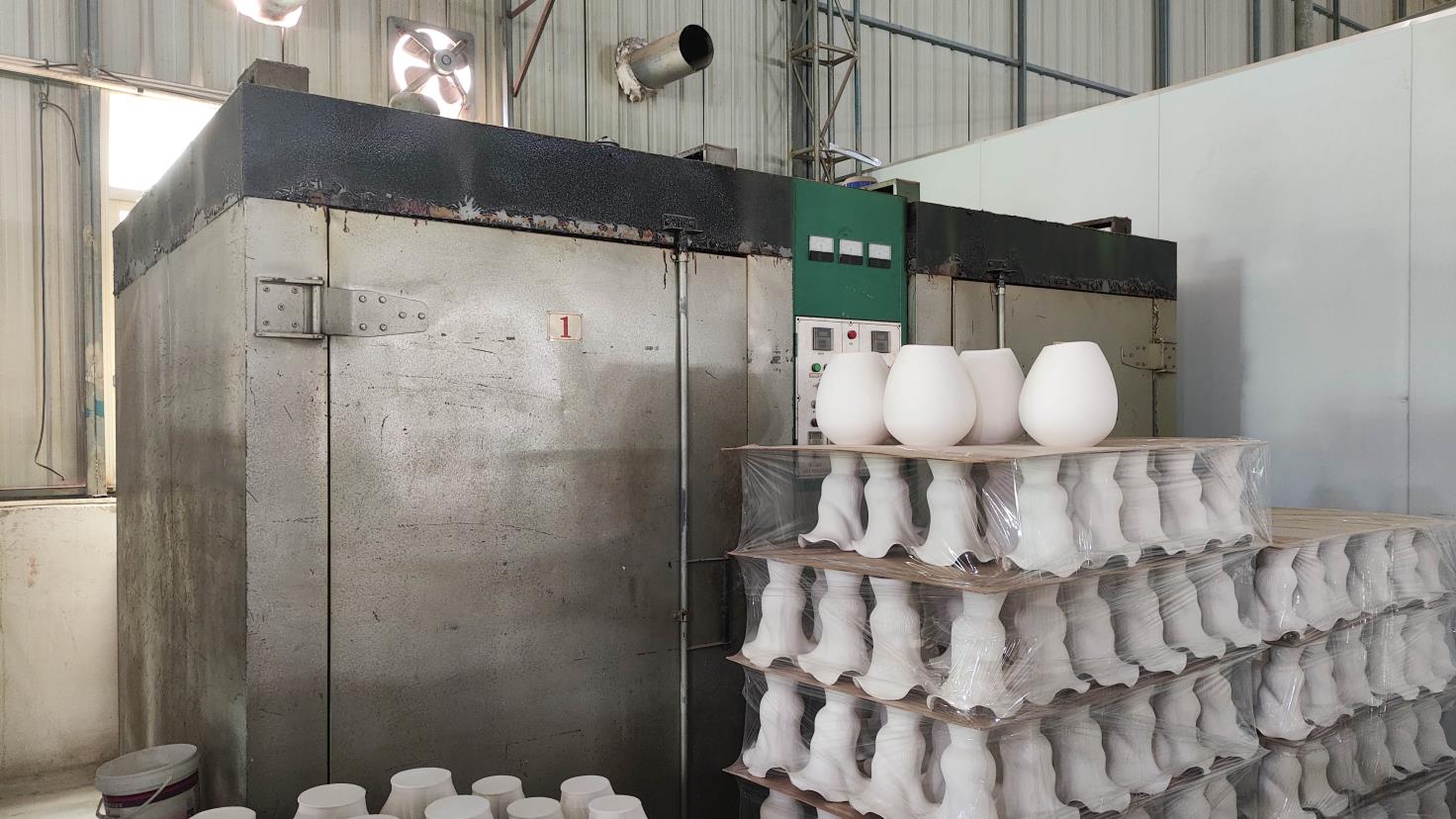
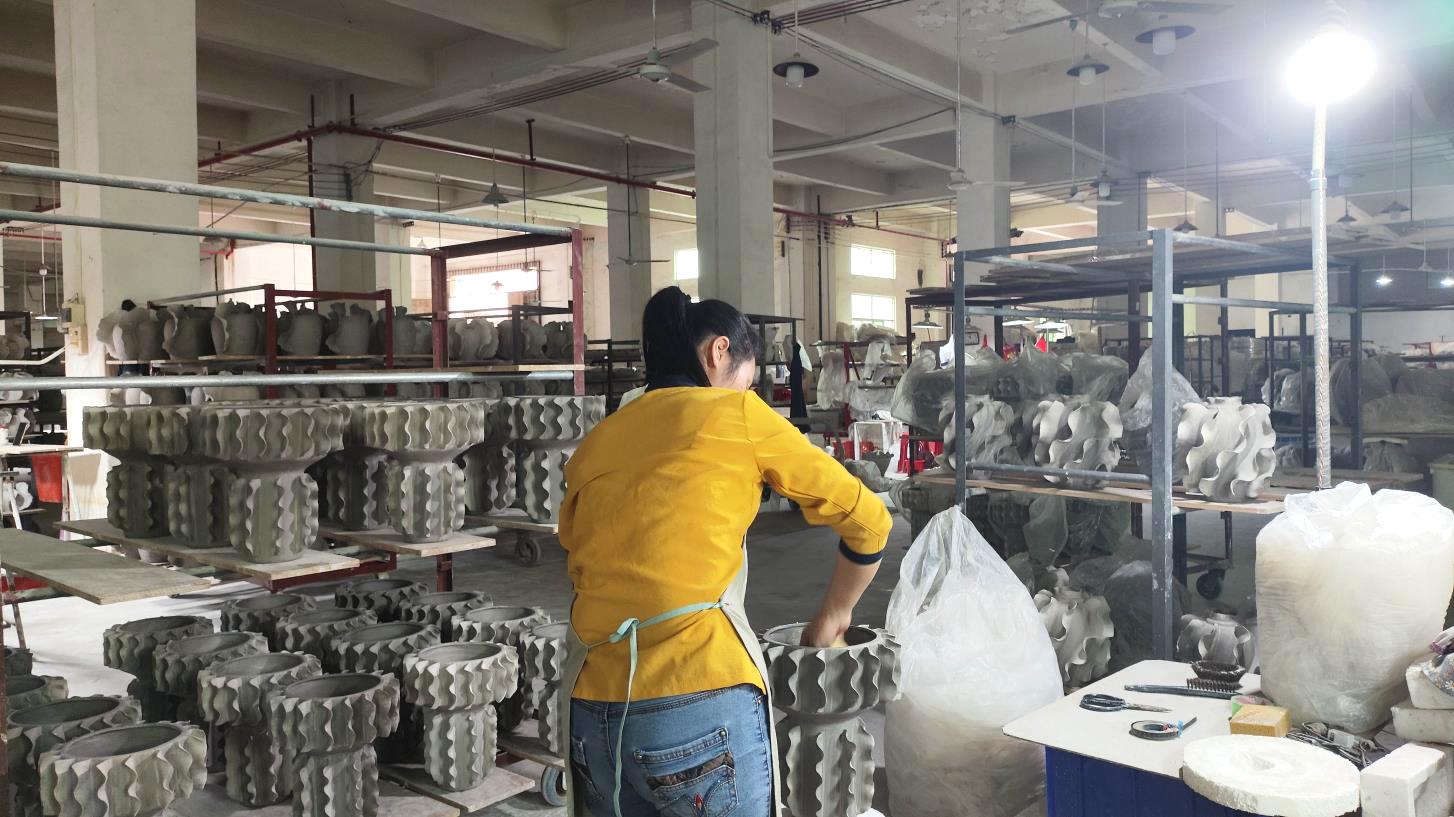
For instance, the creation of precision resin geometries utilizes advanced 3D Printing Forming for initial master-molds, ensuring absolute dimensional accuracy before the roll forming or casting stages. Subsequent stages require manual trimming, meticulous hand-painting, glazing, and double-firing inside specialized shuttle and electric kilns to guarantee structural integrity and surface uniformity. Below is a detailed visual log of our high-volume production sequence:
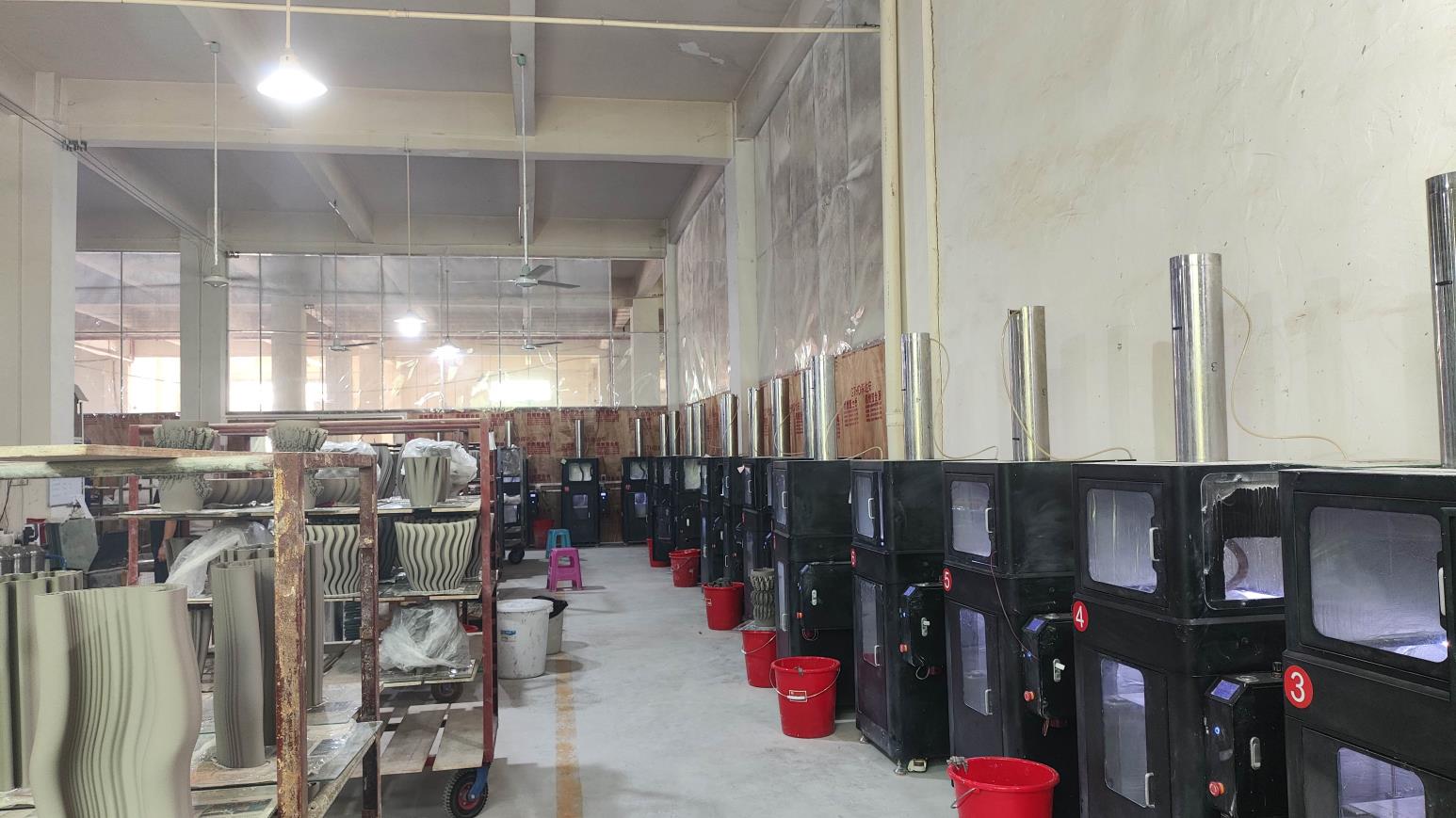
3D Printing Forming Phase
3D Printing Forming
Manual Trimming Phase
Trimming
Artisan Hand Painting
Hand Painting
Glazing Execution
Glazing
Sintering Thermal Treatment
Sintering
Quality Inspection Protocols
Inspection
Export Packaging Standards
Packing
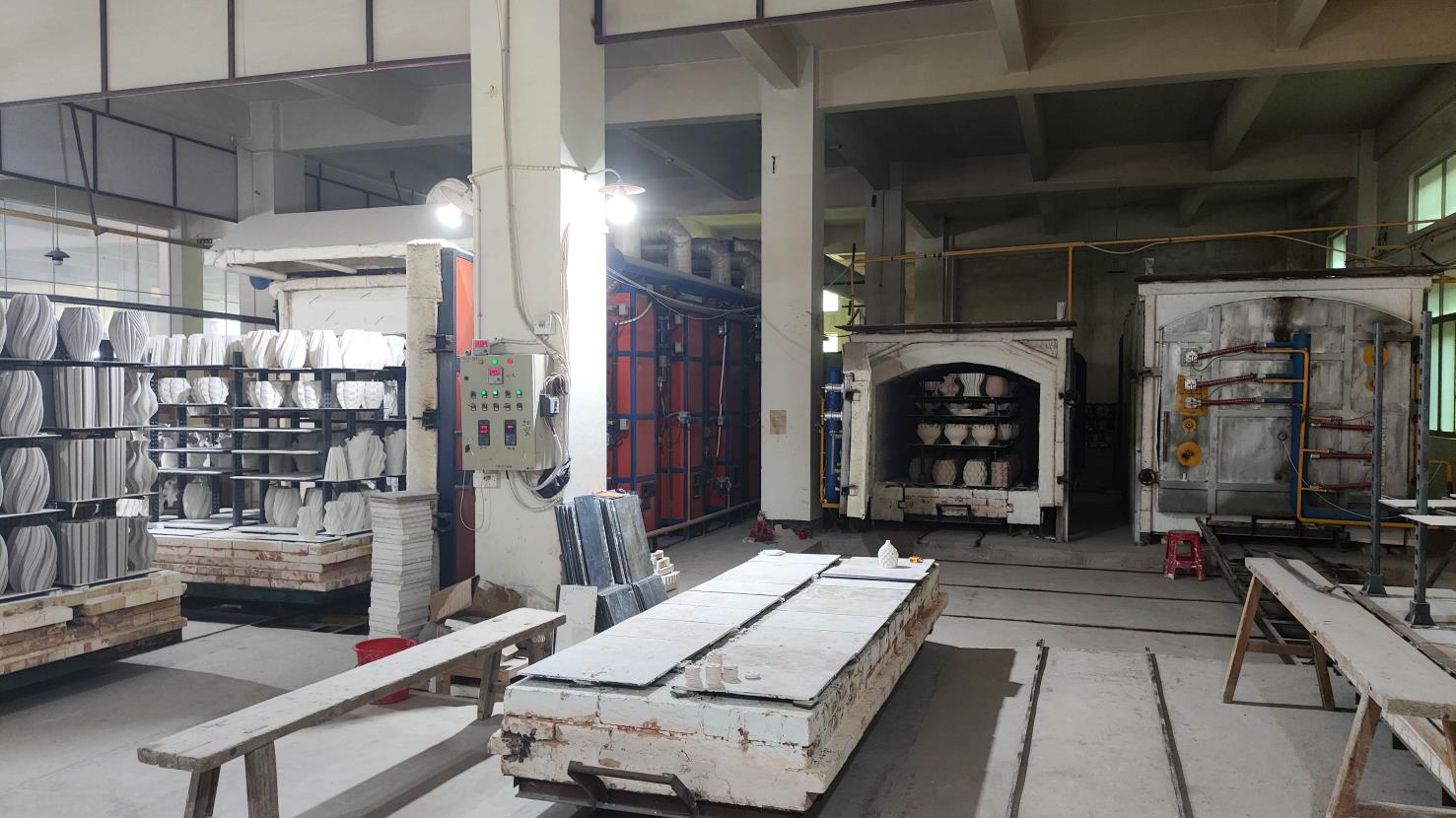
Shuttle Kiln Technology
Shuttle Kiln
High Resolution 3D Printer
3D Printer
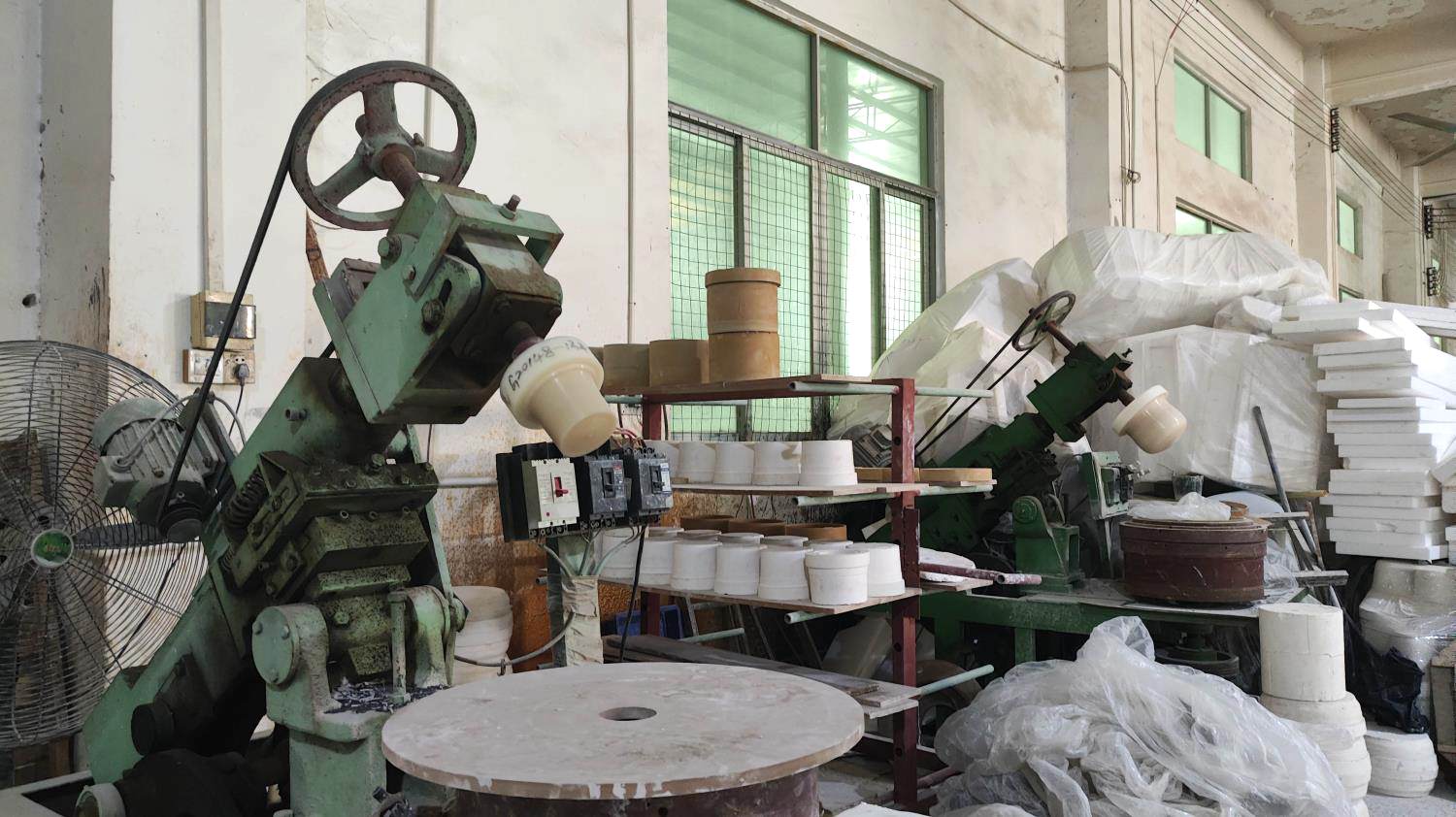
Roll Forming Machinery
Roll Forming Machine
Electric Kiln Technology
Electric Kiln
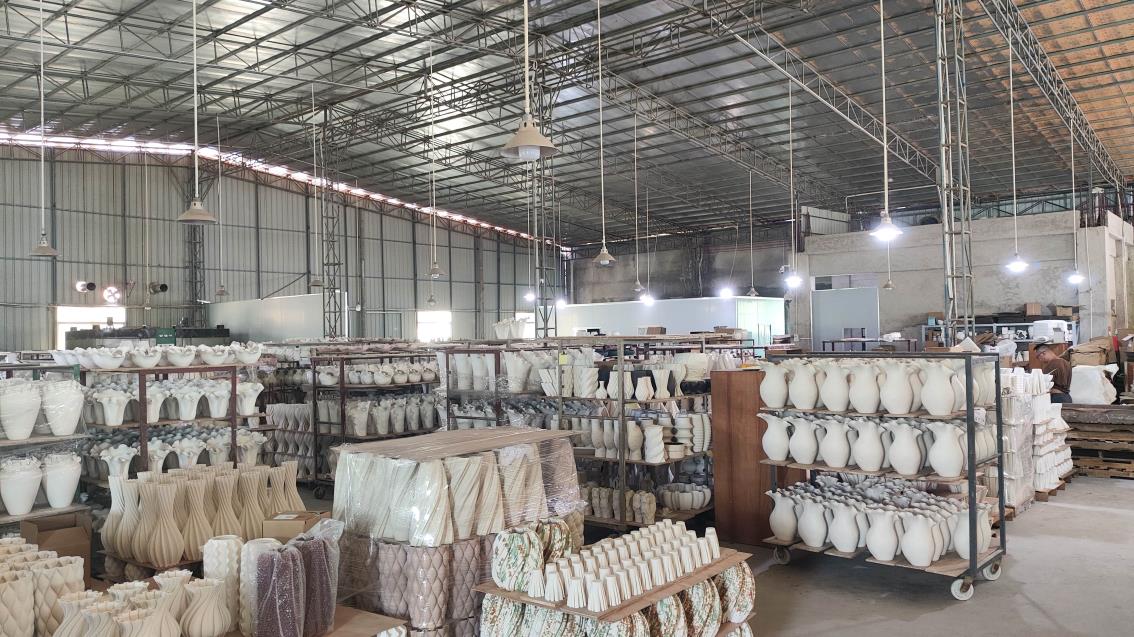
Industrial Manufacturing floor
Industrial Scale Firing
E-E-A-T AUTHORITATIVE ANALYSIS

Our Product Ranges & Technical Parameters

We specialize in supplying and delivering high-quality home and building products, leveraging deep market insights and a rigorously vetted supplier network to provide cost-effective, one-stop procurement solutions with exceptional quality and efficiency. Our core competence lies in bridging custom, architecturally demanding aesthetic requests with scalable wholesale outputs.

Our diverse product portfolio includes:
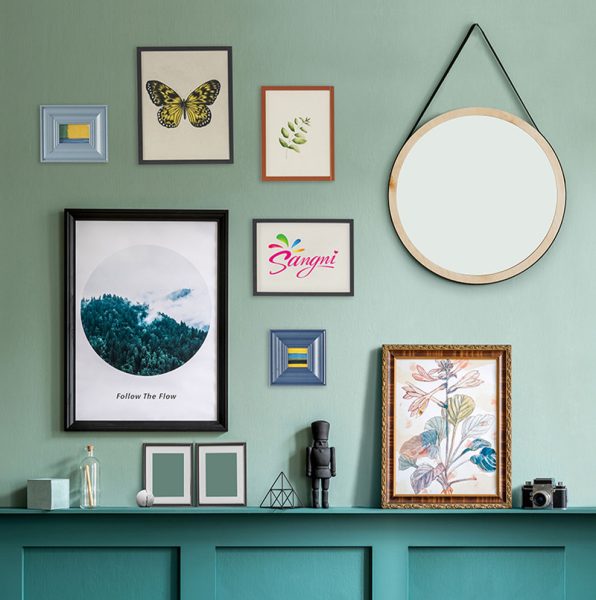
  • Furniture & Accents: Premium coffee tables, side tables, accent chairs, dining configurations, ceramic stools, shelving systems, and weather-proof outdoor options.
  • Tableware: Elegant designer dinnerware, modern bowls, cutlery accents, functional serving trays, coffee sets, and dining presentation essentials.
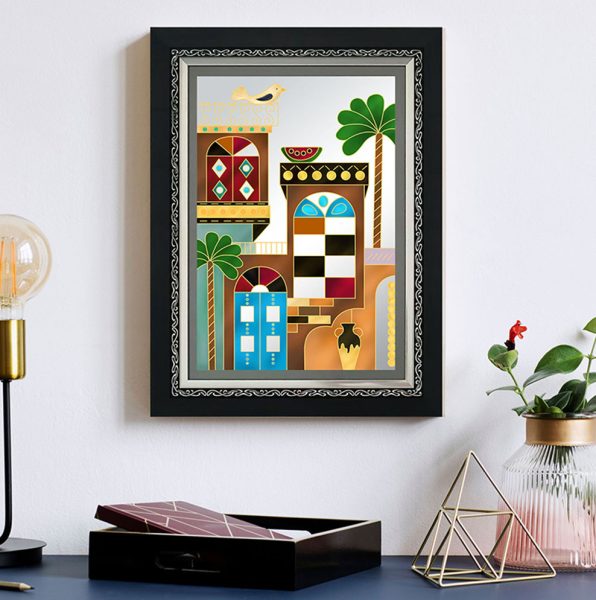
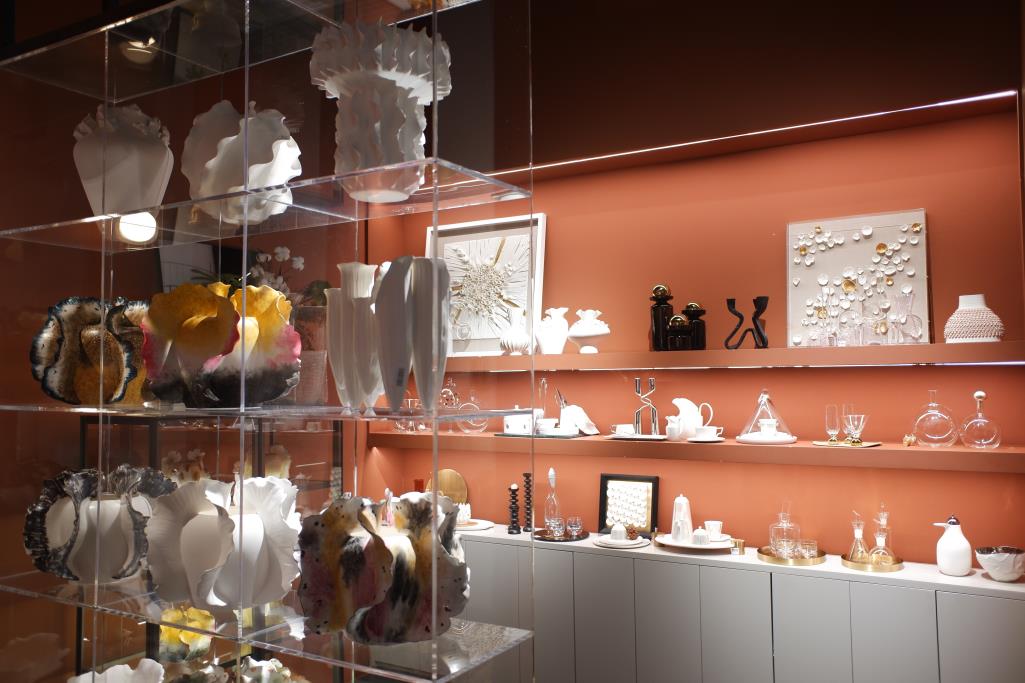
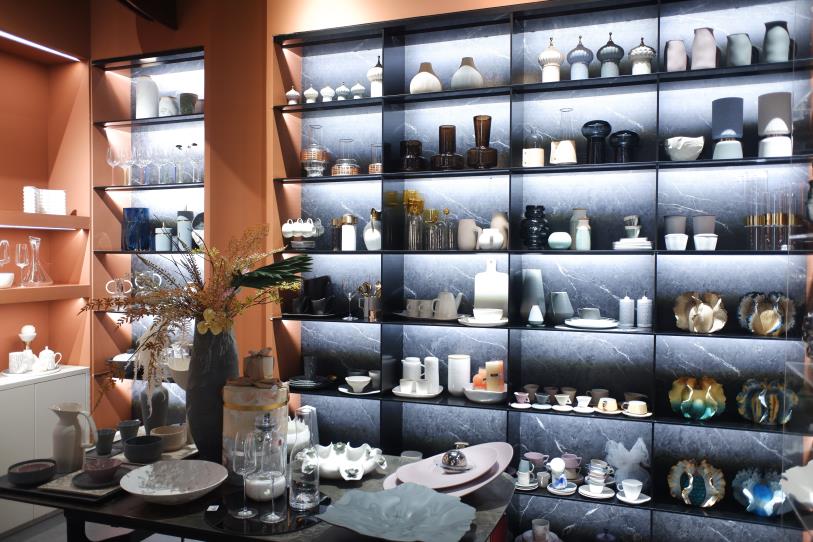
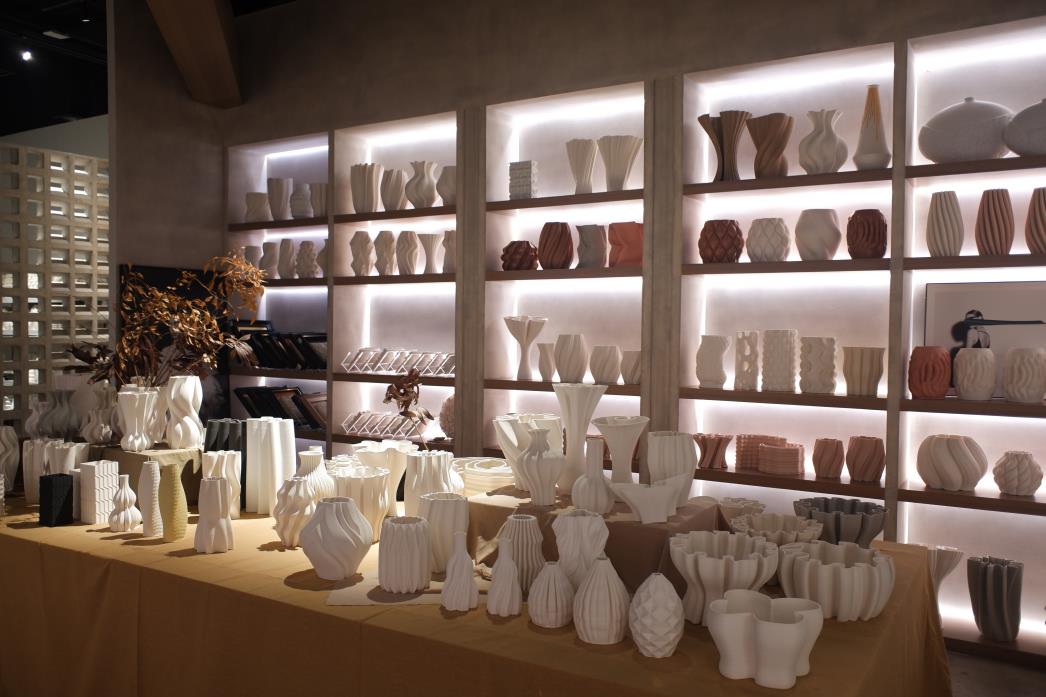
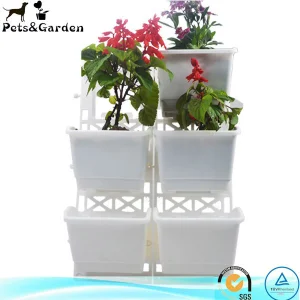
  • Home & Tabletop Decor: High-precision clocks, copper-free cosmetic mirrors, carpets, botanical replicas, geometric vases, artisanal frames, and luxury candle vessels.
  • Building Supplies: Engineering-grade PVC/WPC/MDF wall panels, high-durability skirting boards, crown moldings, and internal architectural cladding.
  • Kitchen & Bathroom Accessories: Premium vanity storage, functional laundry baskets, sink basins, and professional-grade culinary prep tools.
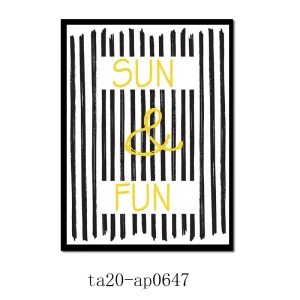
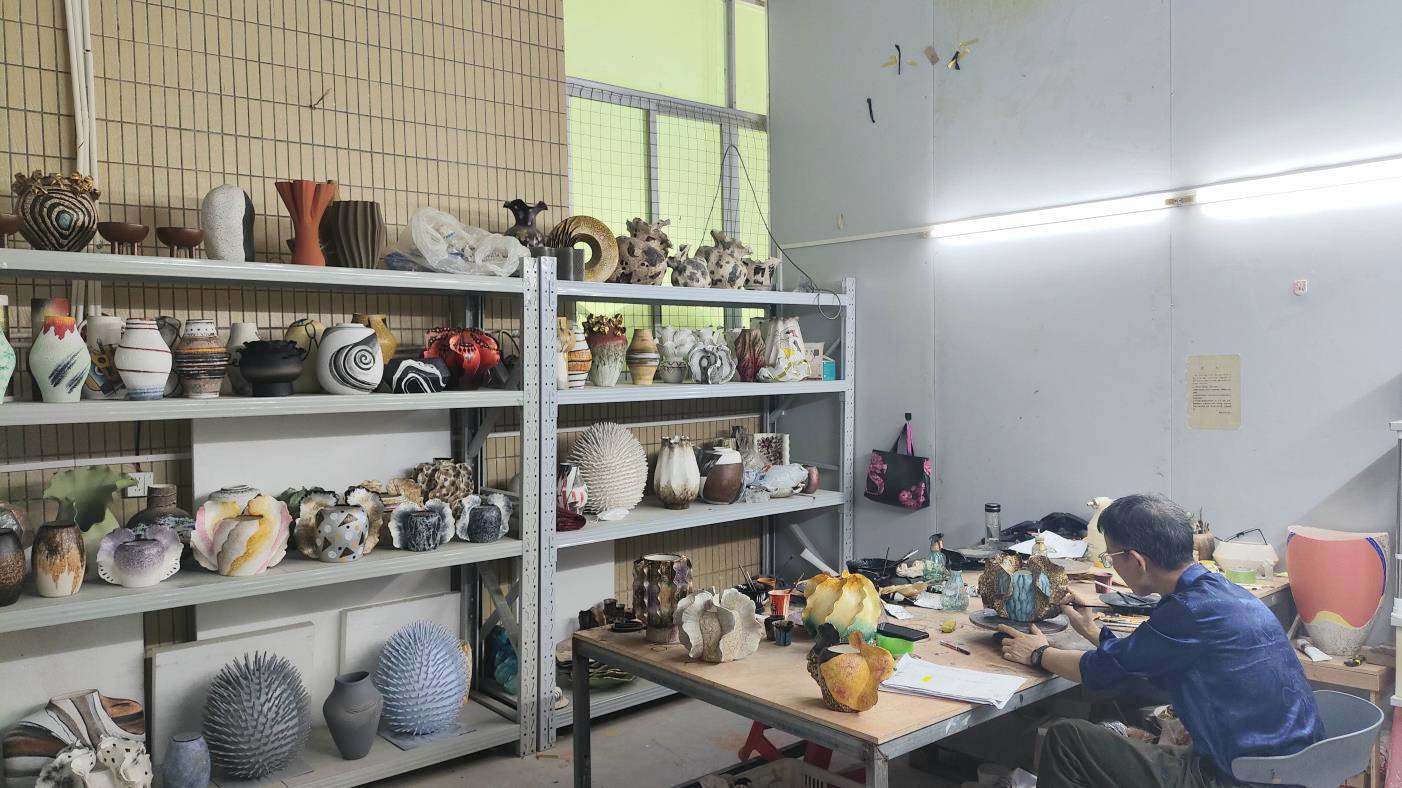
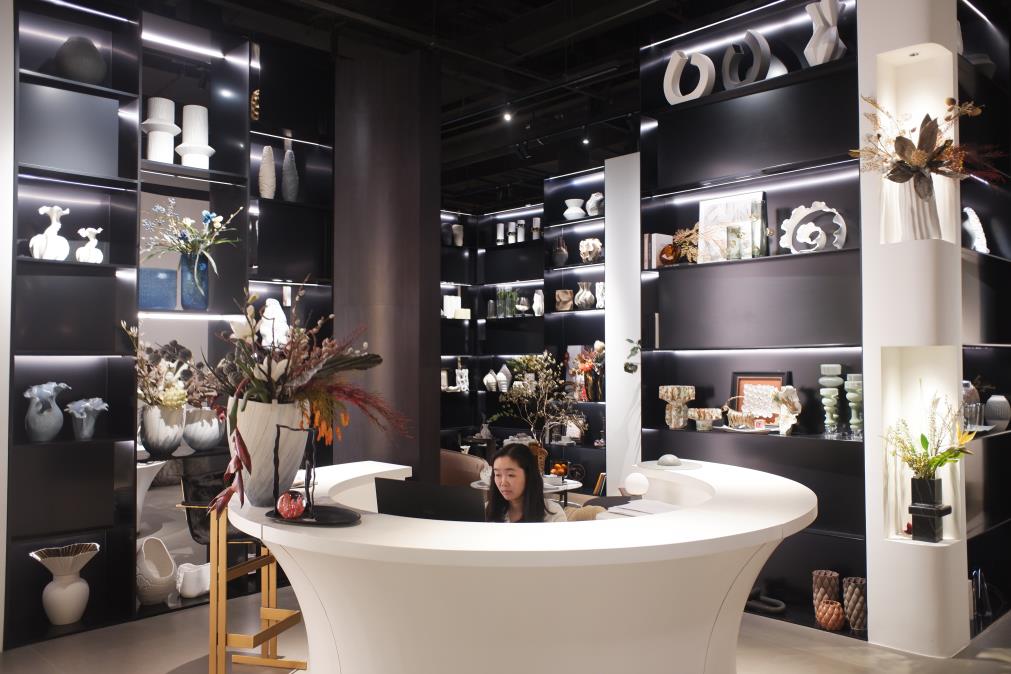
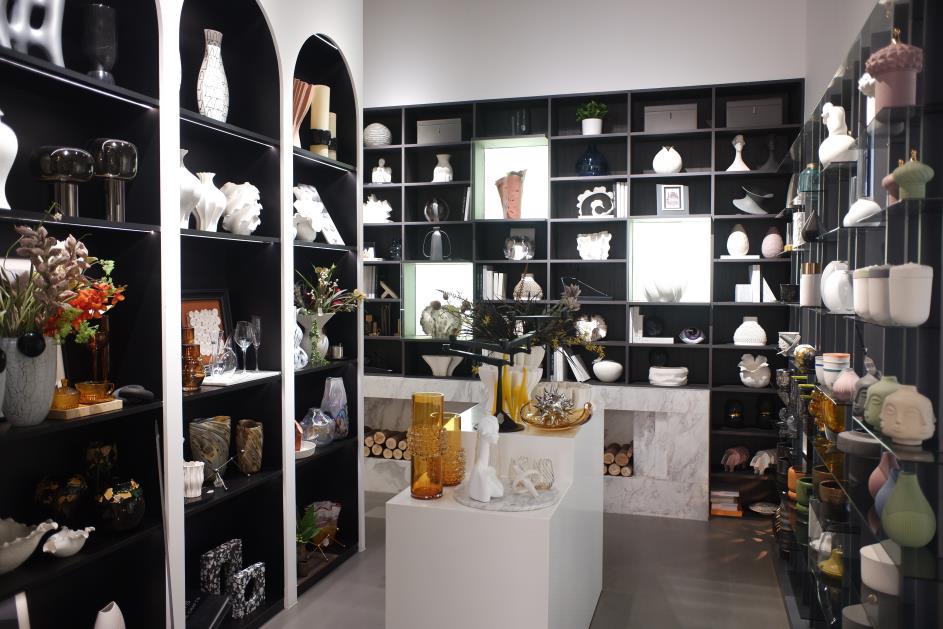
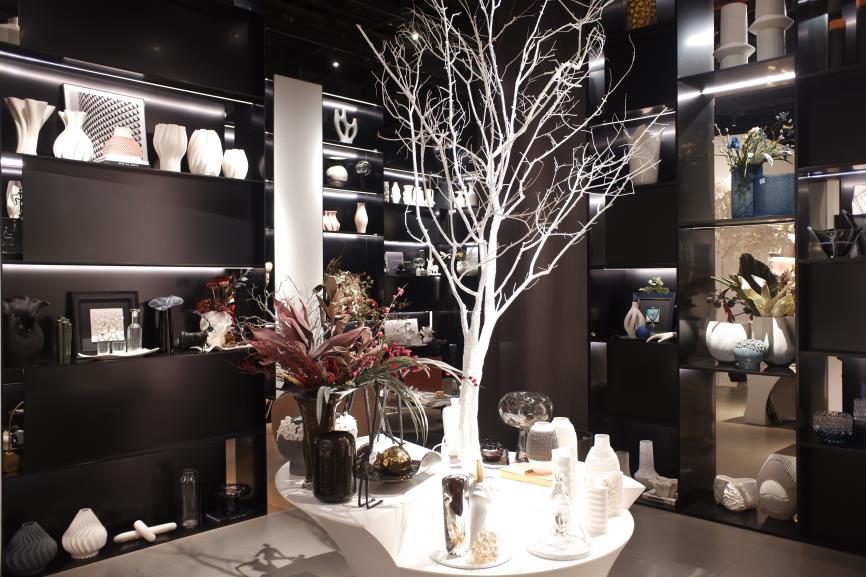
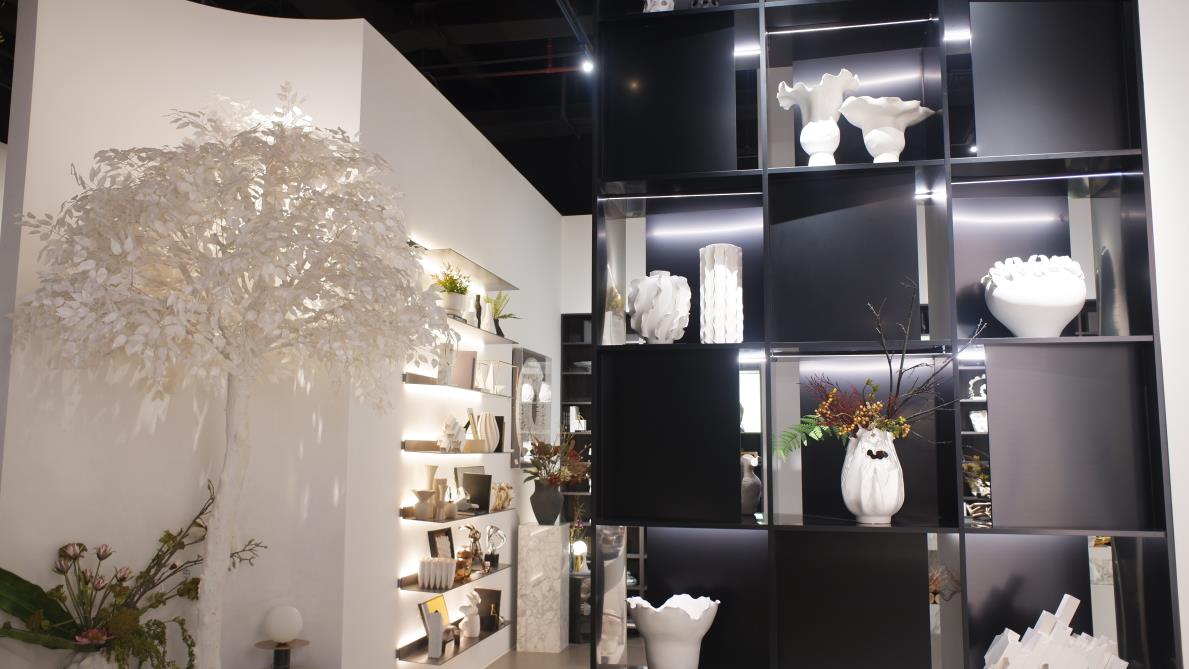
Artistic Premium Table Decor Display
EMERGING DECOR MEGATRENDS

B2B Design Trends & Technological Roadmap (2025 - 2030)

The future of B2B tabletop design is rooted in structural minimalism combined with material sustainability. The rise of eco-conscious consumerism has driven factories to transition away from traditional petroleum-based polymers toward biodegradable composite resins, recycled wood dust moldings, and non-toxic water-based paints. Furthermore, technical design offices are increasingly deploying AI-powered 3D CAD modeling software to simulate physical stress, weight distribution, and packaging compression ratios before production starts.

Another emerging market driver is "Modular Versatility." Tabletop ornaments are expected to double as functional elements—such as wireless charging docks masked as marble trays, air-purifying plant installations, and light-refracting geometric objects that interact with dynamic LED light paths. Importers and wholesalers must prioritize suppliers that demonstrate active research and development investments in these digital-physical intersections.

01 / Smart Material Hybridization

Integrating natural teak, high-tensile bronze, and copper-free float glass into singular, cohesive structural units.

02 / Industry 4.0 Kiln Firing

Transitioning to electric and automated shuttle kilns with digitized thermal feedback loops to eliminate structural cracks.

03 / Circular Logistics Optimization

Designing products specifically to maximize shipping container space, reducing per-unit carbon footprints by up to 30%.

04 / Custom CAD & Staging

Offering architectural B2B buyers fully realized 3D villa renderings prior to high-volume manufacturing output runs.

LOCALIZED SCENARIOS & CASE STUDIES

Localized Sourcing Applications & Regional Aesthetic Intent

To capture local demand, B2B buyers must align their wholesale product sourcing with regional aesthetic preferences and architectural compliance requirements:
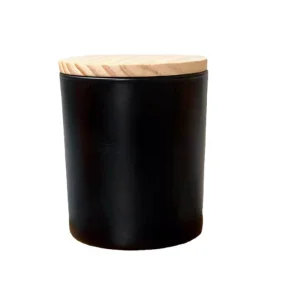
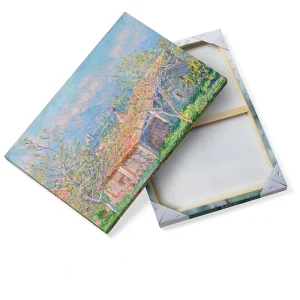
  • North American Market (USA & Canada): Focuses heavily on transitional Farmhouse Modernism and Industrial Minimalist tabletop displays. Demand leans toward natural teak wood links, matte black glass candle jars, and large handpainted canvas backdrops. Compliance requirements include CARB Phase 2 certification for composite wood bases and shatterproof CAT II backing on wall mirrors.
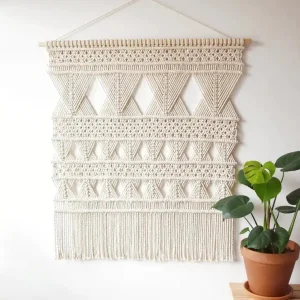
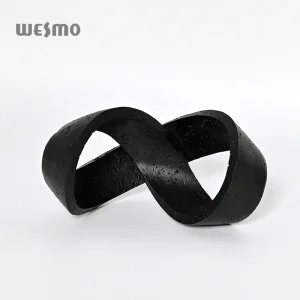
  • European Market (UK, Germany, France): Prioritizes Scandinavian organic minimalism and mid-century retro aesthetics. Key products include high-grade abstract bronze sculptures, clear aluminum-float cosmetic glass, and hand-woven macrame wall hangings. Sourcing must comply with REACH regulations, especially regarding lead and cadmium limits in paints and glazes.
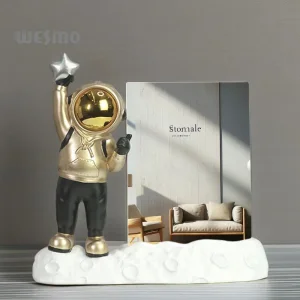
  • Middle Eastern Market (UAE, Saudi Arabia): Characterized by luxury hospitality developments requiring oversized tabletop focal points, gold-accented resin sculptures (such as gold astronaut structures), and high-gloss glazes. Products must be packaged to withstand high-temperature warehouse transit.
  • APAC Market (Australia, Japan, South Korea): High demand for compact, multi-functional decor elements and eco-friendly home products. Neutral color schemes, miniature desktop decorations, and clean geometric structures perform best in these dense residential spaces.
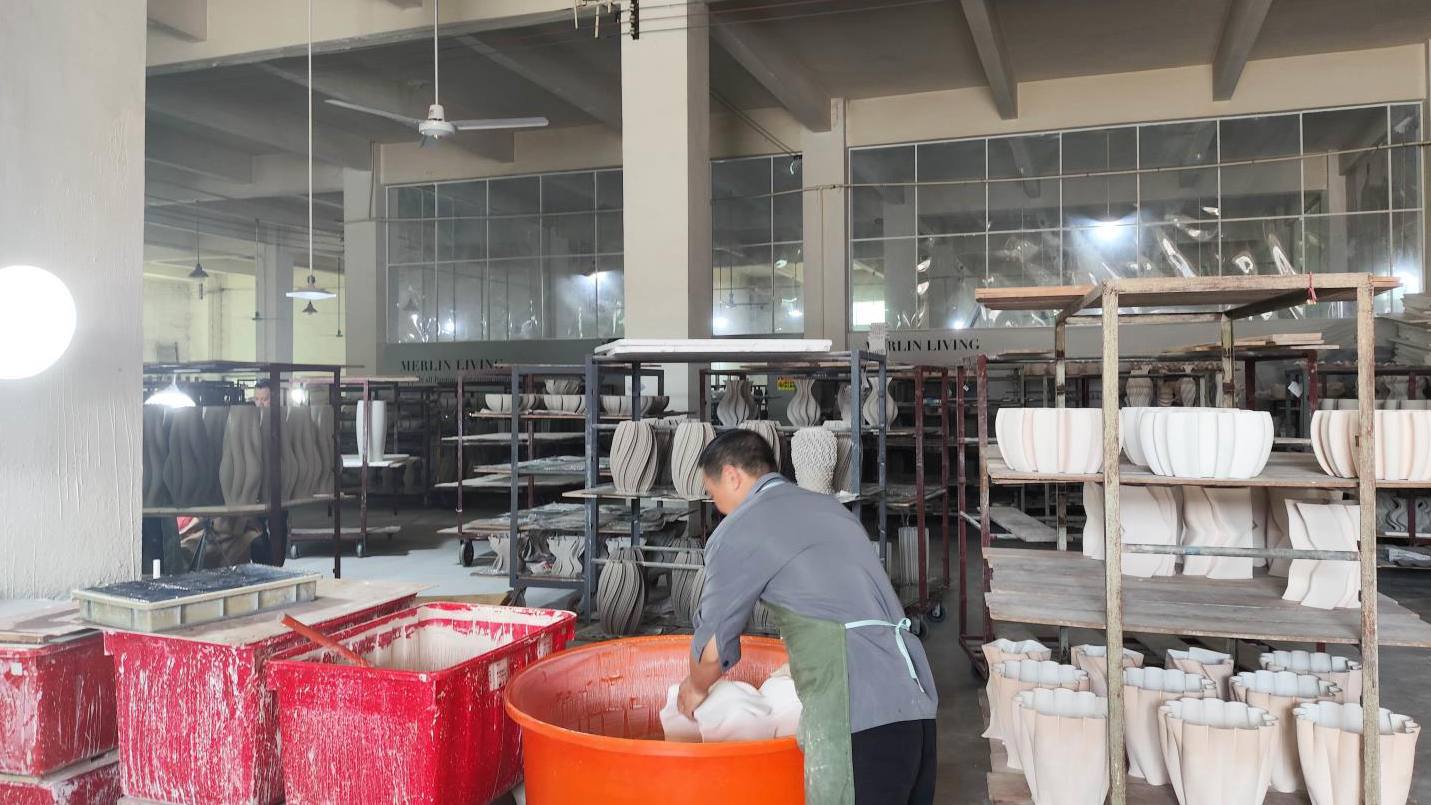
Molding Factory Section
Molding Workshop
Refining Department
Refining & Polishing
Drying Area
Raw Product Prep
Decor Painting Lines
Finishing Hall
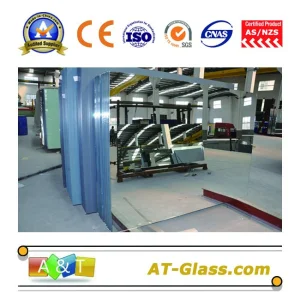
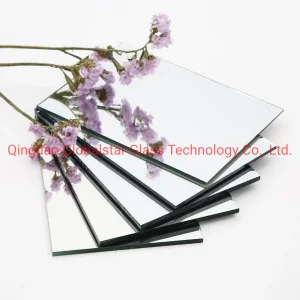
Premium Glass and Mirror Processing
LOGISTICS & SUPPLY MATRIX

Macro B2B Procurement Optimization

Navigating global supply chain logistics is a primary challenge for high-volume B2B importers. Working with diversified product categories—such as fragile float mirror panels, heavy cast bronze, and large-format canvas artworks—requires a coordinated shipping and packaging strategy.

Our consolidated one-stop shipping framework helps importers group various product classes into a single shipping container. By managing everything from high-volume factory production in Dehua to packaging design and customs documentation, we reduce warehousing costs and minimize transport damage. Our products use drop-tested, reinforced corrugated packaging with localized foam inserts to ensure they arrive intact.

Additionally, our production lines utilize specialized machinery—including heavy roll forming equipment, CNC glass cutters, and precise kiln heating profiles—to ensure consistent product quality across large production batches.
Production Inspection and Quality Gateways
Production Management
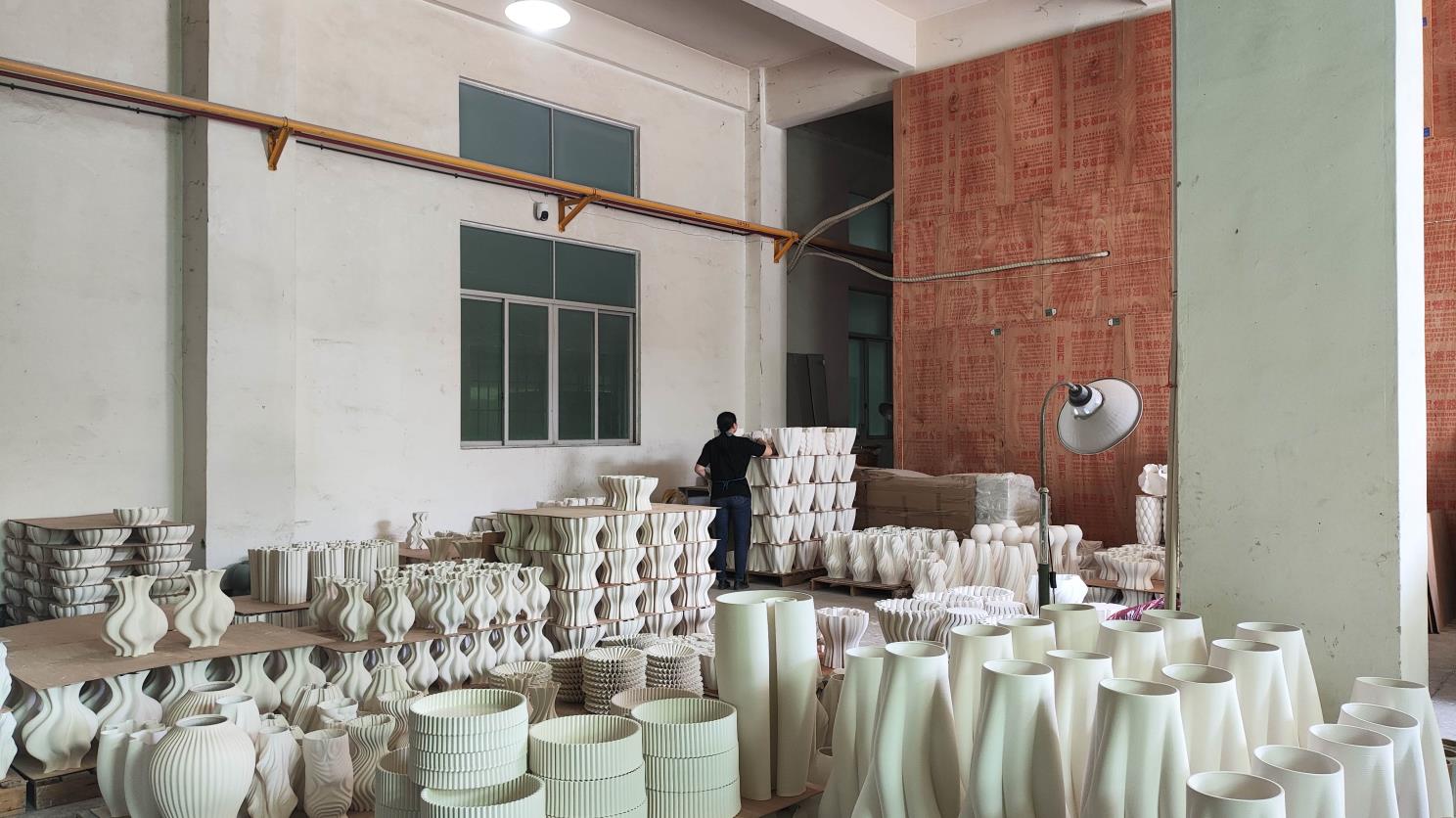
Finished Goods Warehouse
B2B PROCUREMENT INTELLIGENCE

Frequently Asked Sourcing Questions

Key information regarding MOQ limits, material safety compliance, custom design capabilities, and logistics arrangements.

Q1: What are the standard Minimum Order Quantities (MOQs) for mixed custom orders?
Our standard MOQ depends on the material type. For small-scale tabletop resin decorations, the MOQ typically starts at 200–500 units per style. For larger furniture items, custom bronze sculptures, and oversized mirrors, we accept MOQs starting at 50–100 units. We also support container mixing, allowing B2B buyers to combine multiple product classes to optimize shipping costs.
Q2: How do your factories ensure international material safety compliance (REACH / ASTM)?
All raw materials—including copper-free backing solutions, non-toxic casting resins, clay glazes, and solid teak coatings—undergo rigorous testing. We partner with third-party verification agencies like SGS, Intertek, and BV to provide batch-testing certifications that verify compliance with REACH, RoHS, ASTM, and CARB Phase 2 regulations.
Q3: What is the typical lead time for custom CAD rendering and prototyping phases?
When a client provides dynamic architectural assets or design specifications, our engineering team can generate 3D CAD/solid works models and virtual renderings within 3 to 5 business days. Once approved, the physical prototyping stage (including 3D clay or resin printing) takes approximately 7 to 14 days, depending on design complexity.
Q4: What packaging standards are used to prevent transit damage for fragile glass mirrors and ceramics?
We employ strict ISTA-3A/6-Amazon packaging standards for fragile items. Products are wrapped in protective polyethylene sheets and secured inside customized, pre-molded EPS foam chambers. The outer packaging consists of high-bursting strength, double-wall corrugated cardboard. For high-volume sea shipments, crates are strapped onto heavy wooden pallets to prevent shifts in transit.
Q5: How do your factories manage price stability amid fluctuating global raw material costs?
We maintain long-term procurement partnerships with raw material suppliers to lock in pricing for key inputs like copper-free glass sheets, high-quality timber, and basic polymers. This helps protect our wholesale customers from sudden market price fluctuations. We also optimize our internal processes using modern kilns and automated machinery to keep production costs stable.